How to Renovate an Old Home Without Losing Its Character
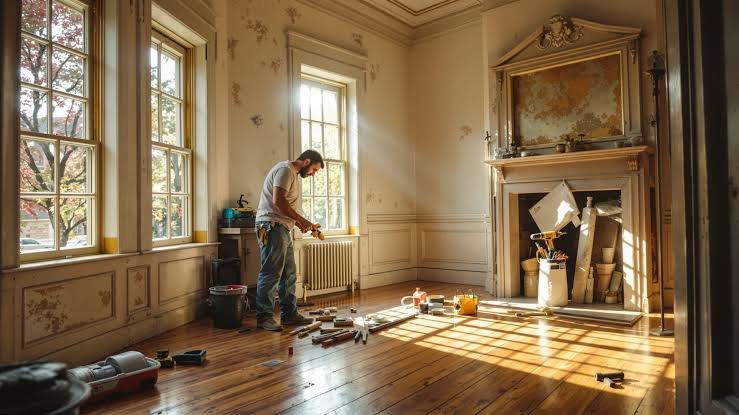
Old homes have a pull that new construction just doesn’t. The high ceilings, the hand-carved doors, that slightly uneven staircase you’ve learned to walk around without thinking. But the moment you start renovating an old home, there’s a real risk of scrubbing all that away in the name of “modern.” I’ve seen it happen — a beautiful haveli-style bungalow gutted and turned into something that could be anywhere. In 2026, more homeowners are pushing back against that trend, choosing to renovate with restraint instead of erasing everything original. Here’s how to do it right.
Understand What Makes the Home Worth Keeping First
Before you touch anything, walk through the house slowly. What actually gives it character? Jaali work on the windows? Original teak doors? A courtyard layout that lets in cross-ventilation the way modern flats never do?
Make a list. Physically write it down, room by room. This becomes your reference point every time a contractor suggests “just replacing” something for convenience.
I’ll be honest — this step gets skipped constantly, and it’s the single biggest reason renovations end up feeling generic. People jump straight to Pinterest boards without first understanding what they’d be losing.
H3: Elements Worth Preserving in Most Old Homes
- Original flooring, especially patterned cement tiles or natural stone
- Wooden beams, rafters, or ceiling work
- Window and door frames, even if the glass or hardware needs updating
- Ornamental ironwork on balconies or gates
- Courtyard or verandah layouts, which are harder to recreate than people assume
Work With Structural Engineers Before Aesthetic Decisions
Direct answer: Always get a structural assessment before renovating an old home — foundations, load-bearing walls, and roof beams in older properties often need reinforcement that changes what design choices are even possible.
Old homes, especially anything built before the 1970s, weren’t always built to current standards. Foundations shift. Wood beams weaken. A structural engineer’s report costs somewhere around ₹15,000–25,000 depending on the property size, and it’s money well spent before you commit to a design plan.
Skipping this step is how people end up mid-renovation discovering a wall they wanted to keep can’t actually bear the load they’re planning. That’s an expensive surprise nobody wants.
Restore Instead of Replace Wherever Possible
This is probably the single most important principle in renovating an old home with its soul intact. Restoration usually costs more upfront than replacement, but it preserves something you genuinely cannot buy new.
- Wooden doors and window frames can often be sanded, treated for termites, and refinished rather than tossed
- Original tile flooring, even if cracked in places, can sometimes be patched using salvaged tiles from architectural salvage yards
- Brass and iron hardware just needs cleaning and re-oiling most of the time, not replacement
- Lime plaster walls (common in older Indian homes) breathe differently than modern cement plaster — patching with lime rather than cement prevents dampness issues down the line
Has this ever happened to you — a contractor insists something “has to go” simply because replacing it is easier for them? Push back. Get a second opinion from someone who specializes in restoration work specifically, not general renovation.
Blend Modern Utilities Without Visual Disruption
Old homes rarely have the electrical capacity or plumbing layout modern life demands. That doesn’t mean visible wires and PVC pipe running across a carved wooden ceiling.
Route new wiring through existing wall cavities or under flooring wherever the structure allows. Conceal switchboards behind panels that match the wall finish rather than standard white plastic plates. It’s a small detail, but it matters enormously to the overall feel.
For plumbing, modern fixtures can be installed with finishes — brass, aged bronze — that feel period-appropriate even though the mechanics inside are entirely current. Nobody needs a heritage-accurate faucet that leaks.
Choose a Consistent Material Palette
Direct answer: When renovating an old home, stick to 2-3 core materials that echo the original build — often wood, stone, and lime plaster — rather than introducing glass, steel, and glossy tile that clash with the existing architecture.
Mixing eras badly is the fastest way to make a renovation feel disjointed. A marble-and-chrome bathroom dropped into a century-old wooden house looks like a mistake, not an upgrade.
That said, contrast done deliberately can work beautifully. A single modern element — a glass pivot door, say, or a steel staircase railing — against original stonework can read as intentional rather than jarring, as long as it’s the exception and not the pattern.
Update Lighting to Respect the Original Architecture
Old homes were often designed around natural light — courtyards, high windows, skylights. Modern renovation sometimes fights this instead of working with it.
- Keep original window openings intact where possible; resizing them changes the whole facade proportion
- Add layered lighting (wall sconces, not just overhead) that mimics how the home would have been lit historically
- Use warm-toned bulbs throughout — cool white lighting clashes badly with aged wood and stone
- If adding recessed lighting, keep it minimal and away from ornamental ceiling work
Budget Realistically for Character-Preserving Renovation
Restoration-focused renovation typically runs 20-30% more than a strip-and-replace approach, mostly due to skilled labour costs. Craftsmen who can properly restore jaali work or lime plaster are fewer and charge accordingly — expect ₹800-1,500 per square foot for specialized restoration work versus ₹500-700 for standard renovation.
Set aside a contingency of at least 15%. Old homes hide surprises — a termite issue behind a wall, wiring from three different decades tangled together. It’s rarely a question of if you’ll find something unexpected, more a question of how big it turns out to be.
FAQ: Renovating an Old Home Without Losing Its Character
Is renovating an old home more expensive than building new? Often yes, particularly if restoration is the goal rather than replacement. But you’re paying for irreplaceable original materials and craftsmanship that simply isn’t available in new construction.
How do I find contractors who specialize in restoration rather than standard renovation? Ask for a portfolio specifically showing heritage or old-home work, not general residential projects. The skill sets are genuinely different.
Can I add modern amenities like AC and Wi-Fi without ruining the aesthetic? Yes, with careful planning. Route cables through existing cavities, and choose fixtures and vents in finishes that blend with the original palette.
What’s the biggest mistake people make renovating an old home? Rushing straight to demolition before understanding what’s actually worth preserving. Once original material is gone, it’s gone for good.
Do old homes need special permits for renovation? Depending on the area and whether the property has any heritage designation, yes — always check with local municipal authorities before starting structural work.
How long does a character-preserving renovation typically take? Usually longer than a standard renovation — often 3-6 months for a mid-sized home, since restoration work moves more slowly than replacement.
Final Thoughts
The whole point of renovating an old home is keeping what made you fall for it in the first place, while making it livable for how you actually use a house today. That balance takes patience, a good structural engineer, and contractors who respect the original build rather than seeing it as an obstacle. Start with the list of what to preserve, get your structural assessment done early, and resist the urge to replace things just because it’s faster. The character you’re protecting can’t be bought back once it’s gone.
Suggested image alt text:
- “Restored teak wooden door in an old Indian home renovation”
- “Original cement tile flooring preserved during home renovation”
- “Lime plaster wall detail in a heritage home restoration project”