Better Water at Home Starts With Understanding What Your Family Needs

Water is one of those things we tend to take for granted until it starts causing trouble. You might notice white marks on the bathroom taps, soap that never seems to rinse away properly, or drinking water with a taste that makes you reach for a bottled alternative. Sometimes the problem is obvious. Other times, everything looks perfectly normal, even when the water contains substances worth investigating.
The good news is that improving household water quality doesn’t have to mean buying the most expensive equipment available. It starts with understanding what’s coming through your pipes and deciding what actually needs to change. Once you have that information, you can compare practical solutions, avoid unnecessary purchases, and choose equipment that fits your home.
Get to Know Your Water Before Choosing a System
Every water supply has its own characteristics. Municipal water is generally treated to meet applicable drinking-water standards, but it can still have a taste or odor some households dislike. Private wells have different considerations because the water quality depends on local geology, nearby activities, and the condition of the well itself.
Hard water is a common example. It contains elevated levels of minerals, especially calcium and magnesium. These minerals can leave deposits on showerheads, kettles, faucets, and glassware. You may also notice that soap doesn’t lather as easily or that laundry feels less soft than expected.
Other concerns include sediment, chlorine taste, iron staining, and particular contaminants that cannot be detected simply by looking at the water. Clear water isn’t automatically safe water, and an unpleasant taste doesn’t necessarily mean the supply is dangerous.
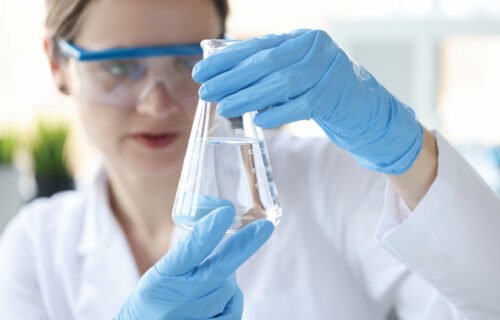
If you’re unsure what is causing a problem, consider having the water tested. A qualified professional or accredited laboratory can help identify relevant issues and explain which treatment options are appropriate. For private wells, testing should be part of regular maintenance rather than something you do only after a problem appears.
Tackling Hard Water Without Guesswork
Mineral deposits can become frustrating over time. A freshly cleaned shower may develop cloudy marks within days, while faucets need frequent scrubbing to keep them looking presentable. Scale can also accumulate inside certain appliances and plumbing components, depending on the water conditions and equipment involved.
For households with confirmed hardness problems, water softeners may offer a useful solution. Conventional ion-exchange models reduce calcium and magnesium by exchanging them for other ions, usually sodium. This can help limit scale formation and improve the way soap performs during washing and bathing.
However, a softener isn’t necessary for every home. If your water has only mild hardness and you’re not experiencing meaningful problems, a full installation may not be worth the expense. Testing helps establish the actual hardness level and whether treatment is likely to make a noticeable difference.
It’s also important to understand what softening does and doesn’t accomplish. A conventional softener is designed to address hardness, not to remove every contaminant. It won’t automatically make microbiologically unsafe water safe to drink.
Consider the practical details before purchasing a unit. Household size, daily water use, hardness levels, available installation space, and maintenance requirements all affect the choice. Salt-based systems need periodic replenishment, and the equipment must be sized correctly to work efficiently.
When Treating the Entire Home Makes Sense
Some water concerns affect more than the kitchen tap. You may notice sediment at several fixtures, unpleasant odors throughout the house, or a specific water-quality issue that needs attention before water reaches appliances and bathrooms.
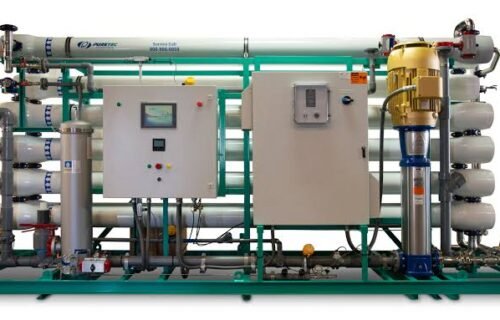
In these cases, whole house filtration systems may be worth considering. Installed at the point where water enters the property, these systems treat water distributed to multiple taps and fixtures. Depending on their design, they can reduce sediment, improve certain taste and odor problems, or target specific substances identified through testing.
The key is matching the filter to the problem. A sediment cartridge can capture particles, but it won’t necessarily remove dissolved chemicals. Activated carbon can reduce chlorine taste and odor and certain other compounds, depending on the product, but it isn’t a universal solution for bacteria, viruses, or every metal.
Some homes need a combination of treatment stages. For example, sediment filtration may protect downstream equipment, while another filter addresses a specific taste or contaminant concern. Other properties may need only a straightforward solution.
Before installing anything, ask what each component is intended to remove and what evidence supports its performance. Look for appropriate independent certifications, check the rated flow capacity, and understand the replacement schedule. A filter that restricts water flow too much can become a daily inconvenience, especially when several people use water at the same time.
Don’t Forget the Water You Drink and Cook With
Even if the water throughout your home is acceptable, you may want a dedicated solution for drinking and food preparation. The kitchen is where water goes into coffee, tea, soups, ice cubes, and reusable bottles, so taste and convenience can matter quite a bit.
Modern drinking water systems include countertop filters, under-sink units, carbon filtration, and reverse osmosis equipment. Each option works differently, and the right choice depends on your water quality, available space, budget, and the substances you want to reduce.
Carbon filters are commonly used to improve taste and odor and can reduce certain contaminants when specifically designed and certified for them. Reverse osmosis systems can reduce many dissolved substances, including some salts and metals, although performance varies by model and operating conditions.
Don’t assume that every filter offers the same level of protection. Read the product documentation and confirm which contaminants the equipment has been tested to reduce. If a particular substance has been identified in your water, select a system designed to address that substance rather than relying on broad claims about purification.
Convenience matters, too. An under-sink unit keeps the counter clear, while a countertop model may be easier to install in a rental property. Think about how much water your household drinks, how often cartridges need changing, and whether replacement parts are readily available.
Maintenance Is Part of the Investment
A water treatment system can only do its job properly when it’s maintained according to the manufacturer’s instructions. Filters have limited capacities, and their performance can decline as they collect particles or reach the end of their service life.
Keep a record of installation dates, model numbers, and replacement intervals. Some systems include indicators that signal when maintenance is due, but it’s still wise to understand the recommended schedule yourself.
Pay attention to changes in taste, odor, pressure, or appearance. These changes don’t always mean a filter has failed, but they may indicate that the system needs inspection or that the source water has changed.
Private wells deserve particular attention. Heavy rainfall, flooding, nearby construction, or damage to well components can affect water quality. Even if treatment equipment is installed, periodic testing remains important because filters aren’t a substitute for checking the source.
Professional servicing can also help identify worn parts, leaks, and other issues before they develop into larger problems. Include these costs in your budget when comparing systems.
Look Beyond the Initial Purchase Price
It’s easy to focus on the advertised cost of a filter or softener, but the real expense includes more than the equipment itself. Installation, replacement cartridges, salt, electricity, servicing, and other operating costs can add up over several years.
Ask suppliers for a realistic estimate of ongoing expenses. Find out whether installation is included, how long replacement parts typically last, and whether the company provides maintenance support. If a salesperson recommends several treatment stages, ask what each one contributes and whether testing supports the recommendation.
Be cautious of high-pressure sales tactics, especially claims that your water is dangerous without reliable evidence. A reputable professional should explain the findings, discuss reasonable alternatives, and give you time to make an informed decision.
Make a Choice That Fits Your Everyday Life
There isn’t one water treatment system that’s right for every household. Some families need help with hard water, others want better-tasting drinking water, and some properties require more specialized treatment based on testing.
Start by identifying the problem, confirm it where necessary, and compare equipment designed for that specific purpose. Consider installation, maintenance, long-term costs, and professional support alongside the purchase price.
Better water doesn’t always require a complicated setup. Sometimes a simple filter is enough; in other homes, a softener or a combination of treatment methods makes more sense. The goal is to choose a dependable solution that addresses your actual needs, fits your budget, and keeps working well long after installation day.