Choosing the Right Water Treatment Solutions for a Cleaner, Healthier Home and Business

Water is something most of us use without giving it much thought. We turn on the tap to make tea, wash vegetables, clean the kitchen, or fill a glass before heading out the door. At work, it keeps restrooms running, supports daily operations, and plays a role in everything from food preparation to manufacturing. Yet the quality of that water can affect far more than its taste. It can influence our comfort, household appliances, plumbing systems, and even the efficiency of a business.
That’s why choosing the right water treatment system matters. Whether you’re dealing with hard water, unpleasant odors, mineral buildup, or concerns about drinking water quality, understanding your options is the first step toward a practical solution.
Why Water Quality Deserves More Attention
Water quality isn’t the same everywhere. Some homes receive municipal water that meets established drinking water standards, while others rely on private wells with different treatment needs. Even treated municipal supplies can contain minerals that cause hardness, and water may pick up contaminants as it travels through older plumbing.
The signs are often easy to spot. Perhaps your glassware has cloudy spots, your shower leaves a chalky residue, or your kettle develops a stubborn layer of scale. Sometimes, water has an unusual smell or taste that makes you reach for bottled alternatives.
These problems don’t always indicate a serious health risk, but they’re worth investigating. A basic water test can identify hardness, pH levels, and certain contaminants, helping you avoid spending money on equipment you don’t actually need.
Finding Solutions That Fit Your Property
A small family home and a busy commercial kitchen rarely need exactly the same water treatment setup. Household requirements depend on water usage, existing plumbing, and the source of the supply. Commercial facilities may need to consider production demands, equipment protection, regulatory requirements, and the cost of downtime.
Well-planned residential & commercial water treatment solutions take these differences into account instead of relying on a one-size-fits-all approach. A homeowner might benefit from a point-of-use drinking water filter, while an office building could require whole-building filtration to improve water quality across multiple fixtures.
Restaurants, hotels, healthcare facilities, and industrial businesses may have additional requirements. For example, a restaurant might need water treatment that helps protect dishwashers and coffee machines from mineral scale. A manufacturing facility may need water with specific chemical characteristics to support its production process.
The important thing is to identify the problem first. Buying a sophisticated system before understanding the water itself can lead to unnecessary expense and disappointing results.
Understanding Hard Water and Mineral Buildup
Hard water is one of the most common water quality complaints. It contains elevated levels of dissolved calcium and magnesium, which can leave deposits on taps, showerheads, bathroom tiles, and heating elements.
Over time, these deposits can reduce the efficiency of water heaters and contribute to maintenance problems in appliances. Hard water can also make soap less effective, leaving skin feeling dry and laundry feeling stiff.
This is where water conditioning & softeners can make a noticeable difference. Traditional water softeners generally use ion exchange to replace hardness minerals with sodium or potassium ions. The result is water that produces less scale and allows soap to lather more easily.
However, softening isn’t the answer to every water problem. A softener doesn’t automatically remove bacteria, pesticides, or all dissolved contaminants. It should be selected according to measured hardness and the property’s actual needs.
Some households also prefer alternatives that condition water without removing hardness minerals. These technologies work differently, and their ability to prevent scale depends on the system and the water conditions. Ask for clear performance information rather than relying on broad marketing claims.
When Reverse Osmosis Makes Sense
Drinking water deserves particular attention because appearance alone doesn’t tell you what’s dissolved in it. Clear water can still contain unwanted substances, while water with a slightly unusual taste isn’t necessarily unsafe.
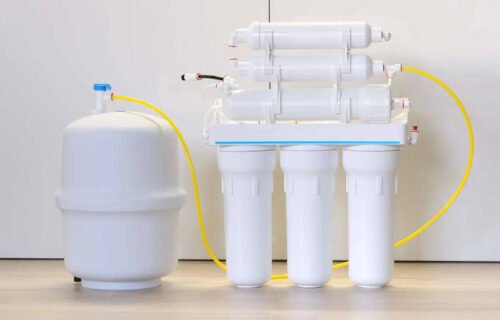
Reverse osmosis is a filtration process that uses pressure to move water through a semipermeable membrane. The membrane reduces many dissolved substances, although the precise results depend on the equipment, membrane condition, and incoming water quality.
For households seeking additional treatment at the kitchen tap, reverse osmosis systems can be a useful option. Depending on the model, they may reduce dissolved salts, certain metals, and other specified contaminants. Many systems also include sediment and carbon filters to improve overall treatment performance.
There are trade-offs to consider. Conventional reverse osmosis units produce wastewater during filtration, and their filters and membranes need periodic replacement. Some systems also remove minerals that contribute to water’s taste. If you choose one, check its certified contaminant-reduction claims, water recovery rate, maintenance schedule, and suitability for your supply.
Reverse osmosis isn’t necessary for every home. A simpler certified filter may be sufficient if testing identifies a specific contaminant that the filter is designed to reduce.
Whole-House Filtration or a Drinking Water Filter?
The right installation point depends on what you want to improve.
Whole-house systems treat water as it enters the property. They’re useful when the goal is to address a problem affecting showers, laundry, appliances, and multiple taps. Depending on the incoming water, the system might include sediment filtration, activated carbon, or specialized treatment equipment.
Point-of-use systems, by contrast, treat water at an individual fixture, such as the kitchen sink. They’re often a practical choice when drinking and cooking water are the main concerns.
Activated carbon filters can improve taste and odor and reduce certain chemicals, depending on the product’s design and certification. Sediment filters capture particles such as sand and rust but don’t remove every dissolved contaminant.
There’s no need to treat every drop of water to the highest possible specification. Matching the system to the actual problem usually delivers better value.
Maintenance Is Part of the Investment
Even a well-designed water treatment system needs attention. Filters become clogged, membranes lose performance, and softener systems require periodic servicing. Ignoring maintenance can reduce water flow and compromise treatment effectiveness.
Before purchasing equipment, find out how often consumables need replacing and whether replacement parts are readily available. Ask about installation costs, expected water usage, warranty coverage, and ongoing service requirements.
Commercial operators should pay particular attention to maintenance records and performance monitoring. Unexpected treatment failures can interrupt operations, damage equipment, or create compliance concerns. Scheduled inspections are generally easier to manage than emergency repairs.
It’s also sensible to retest water when circumstances change, particularly for private wells following flooding, nearby construction, or other events that could affect the supply.
Making a Confident, Informed Choice
Choosing water treatment equipment doesn’t have to be complicated. Start with a reliable water test, identify your main concerns, and compare systems designed to address those specific issues. Look for independent certifications, transparent performance data, realistic maintenance requirements, and professional installation when the plumbing or treatment process calls for it.
Be cautious of anyone claiming that one device can solve every water quality problem. Different contaminants require different treatment methods, and no single system is ideal for every property.
Ultimately, good water treatment is about making everyday water more suitable for its intended use. It can mean fewer mineral deposits on bathroom fixtures, better-tasting drinking water, or more dependable performance from commercial equipment. The benefits depend on the original water quality and the solution you choose.
Take the time to understand what’s coming through your taps before investing in a system. With the right information and a little planning, you can make a decision that supports your property’s needs today while keeping maintenance, operating costs, and long-term reliability in mind.