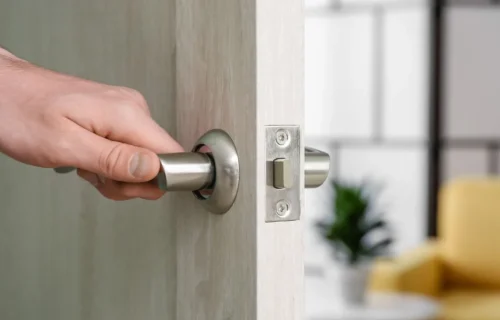
Home Security Tips for Ground Floor Apartments
Ground floor flats get a bad reputation, and honestly, some of it’s deserved. Easy street access, low windows, balconies practically at eye level with anyone walking past. If you live on the ground floor, ground floor apartment security needs a bit more thought than it would three floors up. That doesn’t mean living in a fortress. It means being smart about a handful of specific vulnerabilities that upper floors simply don’t deal with. Let’s go through what actually matters.
Why Ground Floor Units Need a Different Security Approach
The core issue is access. Upper floors rely partly on height as a natural deterrent — nobody’s climbing to the fourth floor casually. Ground floor removes that layer entirely.
I’ve noticed landlords and builders often treat ground floor security as an afterthought, installing the same standard locks and grilles used everywhere else in the building. That’s a mistake. Ground floor apartment security genuinely needs its own checklist.
H3: The Specific Risk Points Ground Floor Homes Face
- Windows accessible directly from outside without any climbing required
- Balconies or verandahs at street level, sometimes without adequate grilles
- Back doors or service entries that see less foot traffic and less visibility
- Higher foot traffic near the unit means more opportunities for someone to notice routines
Window Security Deserves Priority Attention
Direct answer: Ground floor windows are the most common entry point for break-ins, so ground floor apartment security should prioritize grilles, laminated glass, and secondary locks on every window, not just the visible street-facing ones.
Grilles remain the most reliable and affordable option — expect ₹150-300 per square foot for decent MS grilles, installed. Skip the temptation to go decorative-only; functional spacing (under 4 inches between bars) matters more than appearance.
Beyond grilles, consider laminated or toughened glass for ground floor windows. It’s harder to shatter quietly, which matters more than people initially think — a lot of break-in attempts get abandoned simply because they’re taking too long or making too much noise.
- Add secondary window locks, not just the standard sliding latch that comes with most builder-grade windows
- Install motion-sensor lights directly above vulnerable windows
- Keep window coverings that block visibility into the home without completely obstructing your own light
- Trim any bushes or plants right outside windows that could hide someone standing there
Reinforce Balcony and Verandah Access Points
Balconies at street level are basically an open invitation if left unsecured. Has this ever happened to you — you assumed the balcony grille was “good enough” until you actually looked closely at the gaps?
- Check grille spacing carefully; anything wider than 4 inches is a genuine security gap
- Add a secondary lock on balcony doors, separate from the main sliding mechanism
- Consider motion-sensor lighting specifically for balcony areas, since these often go unlit at night
- Avoid leaving furniture on the balcony that could be used to reach over a lower barrier
Picture a small business owner in Jaipur running a home office from a ground floor flat. Client visits and deliveries mean more people near that balcony door daily than a typical resident — a stronger secondary lock there isn’t optional, it’s basic sense.
Door Security Needs Reinforcement Beyond the Standard Lock
Direct answer: Ground floor entrance doors should use Grade 1 deadbolts alongside the primary lock, plus a door viewer and chain, since ground units see far more foot traffic and unfamiliar faces passing directly by the entrance.
- Reinforce the door frame itself, not just the lock — a weak frame defeats even a strong deadbolt
- Add a door chain or secondary latch for safely checking visitors before fully opening
- Consider a smart doorbell with camera, which has genuinely gotten more affordable — decent options now start around ₹2,500-4,000
- Service or back doors need the same attention as the main entrance; they’re often the weaker link
Lighting Makes a Bigger Difference Than People Assume
Poor lighting outside a ground floor unit is basically free cover for anyone with bad intentions. I’d argue this is the single most underrated fix on this entire list.
- Motion-sensor floodlights near entry points cost relatively little and deter opportunistic attempts effectively
- Keep pathway lighting consistent, not just near the door itself
- Timer-based lights inside the home create the impression of occupancy even when you’re out
- Avoid overly bright lighting that creates harsh shadows — well-distributed lighting works better than one intense spotlight
Building Relationships With Neighbors and Society Security
This one gets overlooked constantly, but it matters more for ground floor units than any other type.
- Familiar neighbors notice unfamiliar faces lingering near your windows far faster than distant upper-floor residents would
- Inform your building’s security guard specifically about your unit’s vulnerable points — most guards focus attention where they’re told to
- Consider a shared WhatsApp group for your specific floor or wing to flag anything unusual quickly
- If your society has CCTV, confirm ground floor common areas are actually covered — some setups focus disproportionately on the main gate
Smart Security Additions Worth the Investment
Technology has gotten genuinely more affordable for ground floor-specific needs. A basic setup doesn’t need to break the bank.
Budget roughly ₹8,000-15,000 for a combined setup of door/window sensors, one or two indoor cameras, and a video doorbell. That’s a reasonable range for meaningfully improving ground floor apartment security without going overboard on enterprise-level systems meant for larger properties.
FAQ: Ground Floor Apartment Security Questions
Are ground floor apartments actually more likely to be targeted? Statistically, yes — easier access without climbing makes them a more common target compared to upper floors, which is exactly why extra precautions matter here specifically.
What’s the single best investment for ground floor security? Solid window grilles with proper spacing, combined with decent lighting outside. Both are relatively affordable and address the most common entry points.
Do I need a full alarm system for a ground floor flat? Not necessarily. Door/window sensors and a video doorbell cover most needs without the cost of a comprehensive alarm system.
How do I secure a ground floor balcony without making it feel like a cage? Choose slimmer grille designs with proper spacing rather than heavy bars, and add motion lighting instead of relying purely on physical barriers.
Is it worth talking to my building society about ground floor security specifically? Absolutely. Most societies allocate security resources generally rather than by unit-specific risk, so flagging your concerns directly helps.
Should I avoid renting or buying a ground floor unit because of security concerns? Not necessarily — with the right precautions, ground floor units can be just as secure as any other floor. It just takes a bit more deliberate effort.
Final Thoughts
Ground floor apartment security isn’t about paranoia, it’s about addressing the specific access points that make these units different from anything higher up. Windows, balconies, and entry doors need more attention here than they would three floors up, and lighting matters more than most people initially assume. Start with grilles and lighting, then build toward smart additions as your budget allows. A ground floor home can absolutely be a secure one — it just needs its own checklist, not the generic one.
Suggested image alt text:
- “Reinforced window grille on a ground floor apartment”
- “Motion-sensor light installed near a ground floor balcony”
- “Smart video doorbell on a ground floor apartment entrance”