How to Choose the Right Water Purifier for Your Home
Walk into any electronics showroom and you’ll find at least ten purifier brands claiming to be “the best.” Most salespeople push whatever has the highest margin, not necessarily what suits your actual water source. Choosing the best water purifier for home use genuinely depends on factors most people never think to check — your water’s TDS level, whether it’s borewell or municipal supply, and how many people actually drink from it daily. In 2026, with purifier technology having matured well past basic filtration, getting this decision right saves both money and unnecessary complexity. Here’s how to actually think it through.
Start With Your Water Source, Not the Brand
This is the step everyone skips, and it’s the one that matters most. RO, UV, and UF purifiers each solve different problems, and picking based on brand reputation alone often means solving the wrong problem entirely.
I’ve noticed people buying RO purifiers by default, assuming it’s simply “the best” option available. That’s not always true — RO wastes water and strips beneficial minerals, which isn’t necessary if your source water is already low in dissolved solids.
H3: Quick Guide to Water Source Types
- Municipal supply with moderate TDS: often needs UV or UV+UF rather than full RO
- Borewell water with high TDS (common in parts of Rajasthan): RO is usually essential
- Tanker-supplied water: varies widely, testing is genuinely necessary before choosing
- Areas with visible sediment or turbidity: UF filtration handles this well without RO’s water wastage
Understanding TDS Levels and Why They Matter
Direct answer: TDS (Total Dissolved Solids) above 500 ppm generally requires RO purification for the best water purifier for home results, while water below 200 ppm often only needs UV or UF, since RO would unnecessarily strip essential minerals at that level.
Get your water tested before buying anything — a basic TDS meter costs around ₹300-500, or many purifier brands offer free water testing when you call for a demo.
- Below 200 ppm: UV or UF purification is typically sufficient
- 200-500 ppm: A combination system (UV+UF) often works well
- Above 500 ppm: RO becomes necessary to bring TDS down to safe drinking levels
- Above 1000 ppm: RO with additional pre-filtration stages is usually required
Picture a small business owner in Jaipur running an office with both borewell backup and municipal supply. Testing revealed the borewell water sat around 650 ppm — RO was genuinely necessary there, unlike the municipal line feeding the same building at a much lower reading.
RO, UV, and UF: What Each Technology Actually Does
Understanding what each letter actually stands for helps cut through a lot of confusing marketing language.
- RO (Reverse Osmosis): Removes dissolved solids, heavy metals, and most contaminants through a fine membrane; best for high-TDS water
- UV (Ultraviolet): Kills bacteria and viruses using light, but doesn’t reduce dissolved solids or improve taste from high TDS water
- UF (Ultrafiltration): Removes bacteria and larger particles through a membrane, doesn’t need electricity, good for low-TDS water with biological contamination concerns
- RO+UV+UF combination: Covers all bases but costs more upfront and needs more maintenance
Has this ever happened to you — bought a purifier, only to realize months later it doesn’t actually address your specific water quality issue? That’s what happens when the tech gets chosen before the water gets tested.
Matching Purifier Capacity to Household Size
Direct answer: A household of 4-5 people typically needs a purifier with 8-10 liter storage capacity and a flow rate of at least 12-15 liters per hour to avoid running out during peak usage times like morning and evening.
- Small households (1-3 people): 5-6 liter storage is usually sufficient
- Medium households (4-6 people): 8-10 liter storage with decent flow rate
- Larger households or small offices: consider 12+ liter storage or a wall-mounted continuous supply system
- If you cook frequently with purified water, factor that additional daily usage into your capacity estimate
Maintenance Costs You Shouldn’t Ignore
This part gets glossed over constantly during the sales pitch, and it genuinely matters for long-term cost.
- RO membranes typically need replacement every 12-18 months, costing ₹1,500-3,000
- Sediment and carbon pre-filters need changing every 3-6 months, roughly ₹300-600 each time
- Annual maintenance contracts (AMC) from most brands run ₹1,500-3,500 yearly, covering filter changes and servicing
- Budget roughly ₹4,000-6,000 annually in ongoing maintenance for a mid-range RO system
I’d argue maintenance cost matters as much as the upfront purifier price, since a cheaper unit with expensive proprietary filters often costs more over 3-4 years than a slightly pricier one with widely available filter options.
Mineralizer and Taste Considerations
RO purification strips beneficial minerals along with contaminants, which is why most modern RO systems include a mineralizer cartridge afterward.
- Check that any RO purifier you’re considering includes mineral re-addition, not just pure filtration
- Taste genuinely varies between brands even at similar TDS output levels — a demo before buying is worth insisting on
- Some UV/UF-only systems retain natural minerals since they don’t use membrane filtration at all
- If your water source is already low-TDS, skipping RO entirely preserves natural mineral content without added mineralizer cartridges
Budget Ranges for Different Purifier Types
Direct answer: UV/UF purifiers typically cost ₹6,000-12,000 in India, while RO systems range from ₹10,000-25,000 depending on storage capacity and additional features like mineralizers or smart indicators.
Don’t automatically assume the most expensive option is the best water purifier for home use — a ₹25,000 RO system is wasted money if your municipal water tests at 150 ppm and never needed RO in the first place.
FAQ: Best Water Purifier for Home Questions
Do I really need RO if my water tastes fine already? Taste isn’t a reliable indicator of TDS or contamination. Get it tested — the answer might genuinely be no, saving you money and unnecessary water wastage.
How often should purifier filters actually be changed? Sediment and carbon filters every 3-6 months, RO membranes every 12-18 months, though this varies by usage and water quality.
Is UV purification enough without RO? Yes, if your TDS is already low (under 200 ppm) and your main concern is bacterial contamination rather than dissolved solids.
Why does RO waste so much water, and is that unavoidable? RO membranes reject a portion of input water to concentrate contaminants away from the output. Newer models have improved recovery rates, but some wastage remains inherent to the technology.
Can I switch from RO to UV/UF if my water source changes? Sometimes, though it usually means installing a different system entirely rather than modifying the existing one.
Is an AMC (annual maintenance contract) worth it? Generally yes for RO systems specifically, since membrane replacement and servicing costs add up and an AMC often works out cheaper than paying per visit.
Final Thoughts
Finding the best water purifier for home use isn’t about picking the priciest or most-advertised option — it’s about matching the technology to your actual water source. Test your TDS first, then choose between RO, UV, UF, or a combination based on what that number tells you. Factor in ongoing maintenance costs alongside the upfront price, since that’s where budgets often get thrown off later. Get your water tested this week before your next purchase decision — it’s a small step that prevents an expensive mismatch.
Suggested image alt text:
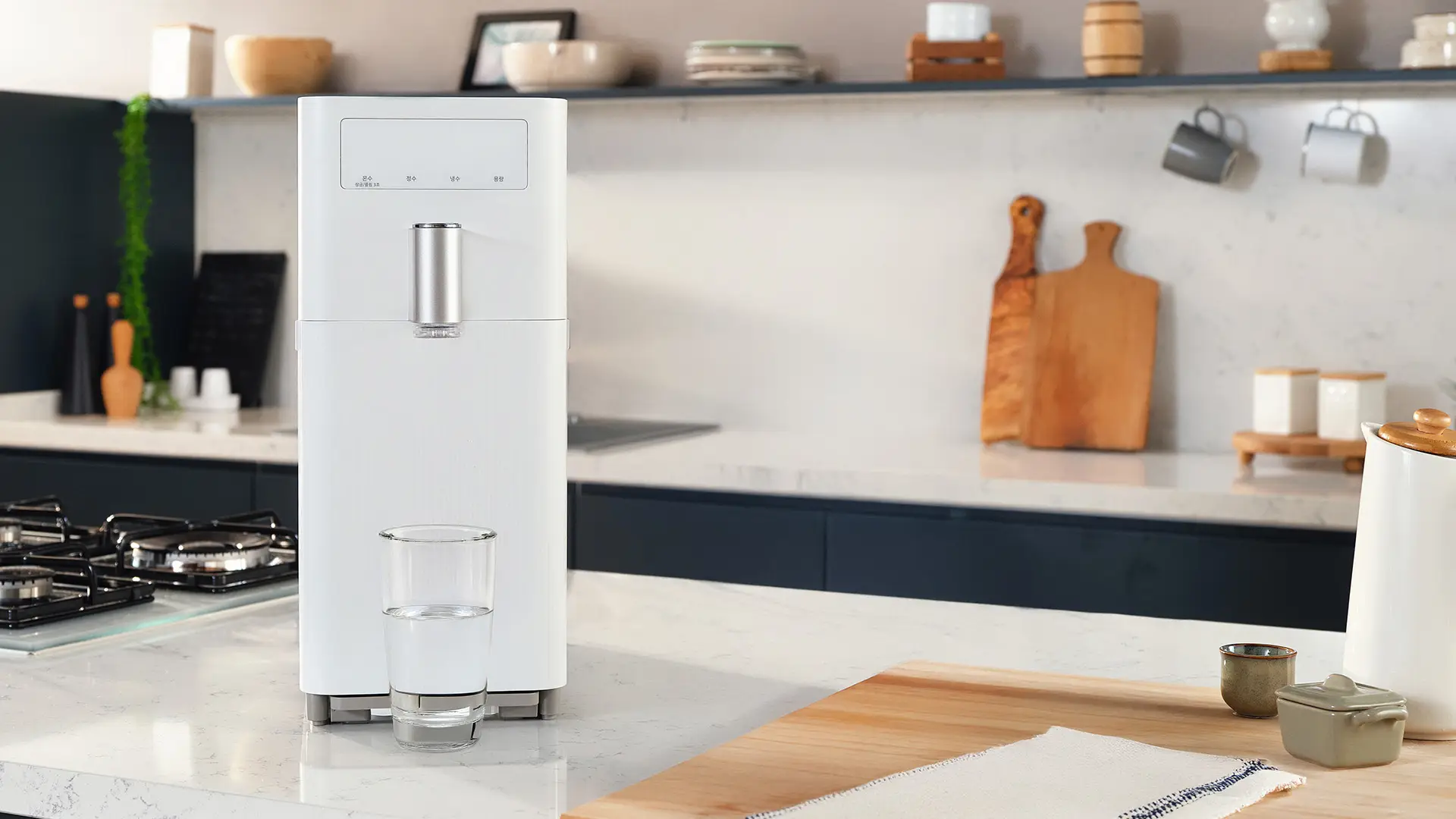
- “RO water purifier installed in home kitchen”
- “TDS meter testing borewell water quality before purifier purchase”
- “UV UF water purifier mounted on kitchen wall”