How to Choose Roofing Contractor Without Getting Burned
How to Choose the Right Roofing Contractor for Your Home
Roof work isn’t something most homeowners think about until there’s a leak staining the ceiling or monsoon season is uncomfortably close. At that point, panic sets in, and panic is exactly when people make bad hiring decisions. Knowing how to choose roofing contractor services properly, before there’s an emergency, protects you from rushed work, inflated quotes, and contractors who disappear halfway through the job. In 2026, with roofing material options and contractor pricing both having shifted, a bit of upfront research goes a long way. Here’s what actually matters.
Why Rushing This Decision Almost Always Backfires
The classic mistake is calling the first contractor who shows up with a business card after a storm. Desperation makes people skip the checks they’d normally do for any other major home expense.
I’ve noticed that homeowners who take even a week to properly vet contractors end up with noticeably better outcomes than those who hire under pressure during an active leak. A tarp can buy you that week if needed.
H3: Warning Signs a Contractor Should Be Avoided
- Refuses to provide references from recent, local jobs
- Demands full payment upfront before any work begins
- No physical business address or verifiable local presence
- Quotes significantly lower than every other estimate you’ve received, often a sign of corner-cutting
Verify Licensing, Insurance, and Experience First
Direct answer: Before anything else, confirm a roofing contractor has valid insurance covering worker injury and property damage, since roof work carries real liability risk, and knowing how to choose roofing contractor services starts with this basic protection check, not the quote itself.
- Ask for proof of insurance directly, not just a verbal assurance — request to see the actual document
- Confirm how many years the contractor has specifically worked on roofing, not general construction broadly
- Check if they specialize in your roof type (flat, sloped, metal, tile) since techniques and materials differ considerably
- Verify any local trade association membership, which often indicates a level of accountability beyond word-of-mouth reputation
Get Multiple Detailed Quotes, Not Just Prices
Has this ever happened to you — you got three quotes, picked the cheapest, and later realized it excluded materials the other two included? That’s a common trap.
- Request itemized quotes breaking down labor, materials, and any additional charges separately
- Compare quotes for identical scope of work, not just a bottom-line number that might cover different tasks
- Ask specifically what warranty each contractor offers on both materials and workmanship
- Be wary of quotes dramatically lower than others; it often means cheaper materials or skipped prep work that shows up as problems later
Picture a small business owner in Jaipur who got quotes ranging from ₹85,000 to ₹1,40,000 for what seemed like the same re-roofing job. The lowest quote, on closer inspection, excluded proper waterproofing membrane — a corner that would have cost far more to fix later.
Ask About Materials and Whether They Fit Your Climate
Direct answer: A good roofing contractor should recommend materials suited to your specific climate — heat-reflective coatings for hot regions, proper drainage slopes for monsoon-heavy areas — rather than pushing whatever’s cheapest or most profitable for them to install.
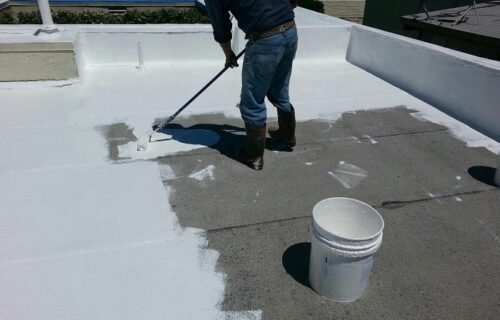
- For hot, dry climates common in Rajasthan, ask about heat-reflective or cool roof coatings that reduce indoor temperatures
- Confirm drainage slope planning for monsoon regions, since poor drainage causes more roof failures than material quality itself
- Ask how the contractor handles waterproofing at joints and edges, a detail that separates good work from mediocre work
- Discuss expected lifespan of recommended materials honestly, not just the most optimistic sales pitch
Check References and Actually Call Them
This step gets skipped constantly, mostly because it feels like extra effort. It’s genuinely worth the ten minutes.
- Ask for at least 2-3 references from jobs completed in the past year, not older projects
- Call references and ask specifically about timeline adherence, cleanup after the job, and whether issues arose post-completion
- If possible, ask to see a completed job in person, particularly for larger commercial-scale roofing work
- Search the contractor’s name online for reviews, but weigh them alongside direct reference calls rather than relying on reviews alone
Understand the Contract Before Signing Anything
A verbal agreement means little if a dispute arises later. How to choose roofing contractor services safely always comes back to getting everything in writing.
- Confirm the contract specifies exact materials, brand names, and quantities, not vague descriptions
- Check that payment terms are staged — a portion upfront, remainder on completion, not full payment before work starts
- Verify a clear timeline with start and completion dates, plus any penalty clause for unreasonable delays
- Ensure warranty terms (both material and workmanship) are explicitly written into the contract, not just promised verbally
Red Flags During the Estimate Visit Itself
How a contractor behaves during the initial estimate visit tells you a lot about what working with them will actually be like.
- Doesn’t physically inspect the roof, offering a quote based only on a phone description
- Pressures you to sign immediately, citing a “limited time” discount
- Can’t clearly explain their proposed approach when asked direct questions
- Arrives without proper safety equipment, a small but telling detail about their overall standards
FAQ: How to Choose Roofing Contractor Questions
How many quotes should I get before choosing a roofing contractor? At least three, ideally with itemized breakdowns so you’re comparing the same scope of work rather than different levels of coverage.
Is the cheapest roofing quote usually a bad sign? Not always, but significantly lower quotes often indicate cut corners — cheaper materials, skipped waterproofing, or reduced prep work.
What questions should I ask roofing contractor references? Ask about timeline adherence, cleanup quality, communication during the project, and whether any issues surfaced after completion.
Should I pay full payment upfront to secure a roofing contractor? No — staged payments tied to project milestones are standard practice and protect you if work isn’t completed satisfactorily.
How do I verify a roofing contractor’s insurance is legitimate? Ask to see the actual insurance document, and if unsure, contact the insurer directly to confirm coverage is active and current.
What’s a reasonable warranty period for roofing work? This varies by material and scope, but workmanship warranties of 1-2 years and material warranties matching manufacturer terms are reasonable expectations.
Final Thoughts
Getting how to choose roofing contractor decisions right comes down to patience — verifying insurance and licensing, comparing detailed quotes rather than bottom-line prices, and actually calling references before committing. Don’t let a leaking ceiling rush you into hiring the first available option. A tarp and a week of proper vetting will serve you far better than a rushed decision you’re stuck living with for years.
Suggested image alt text:
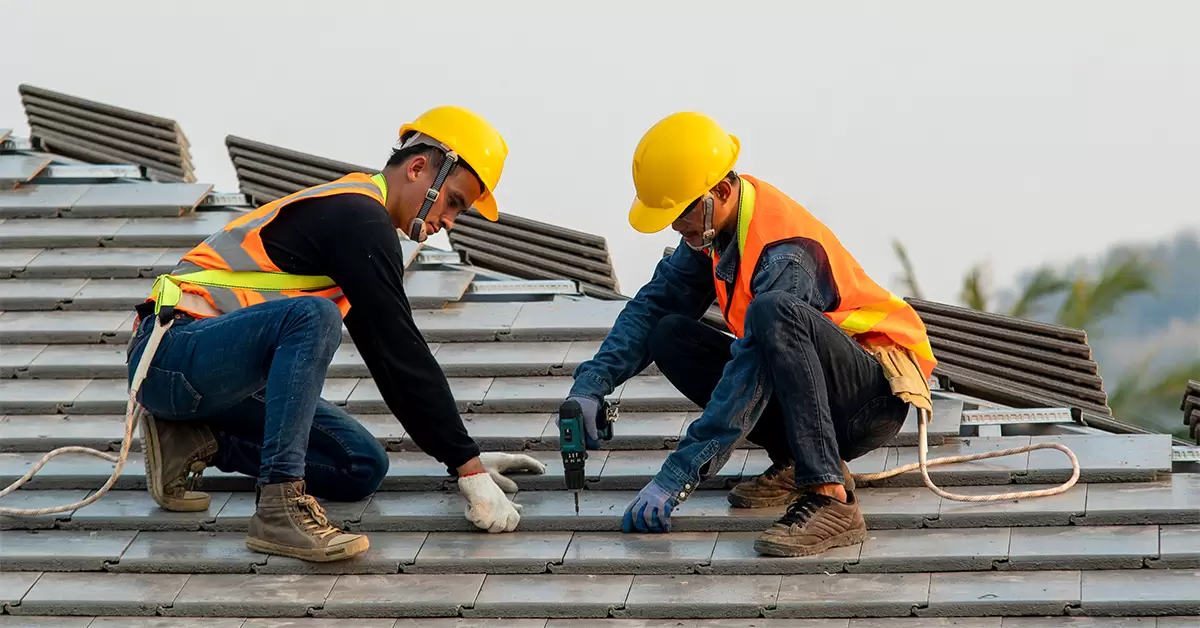
- “Roofing contractor inspecting home roof before providing quote”
- “Homeowner reviewing itemized roofing contract before signing”
- “Heat-reflective roof coating application for hot climate homes”