How to Choose Flooring for Different Rooms in Your Home
Somewhere along the way, a lot of homeowners pick one flooring type and run it through the entire house, kitchen to bedroom, without much thought. It looks consistent on paper. In practice, it often doesn’t hold up — a bathroom needs completely different properties than a living room does. Choosing flooring for each room based on how that specific space actually gets used makes a bigger difference than most people realize until they’ve lived with the wrong choice for a year. In 2026, with flooring options wider than ever, matching material to room function is worth the extra planning. Here’s how to think it through properly.
Why One Flooring Type Rarely Suits the Whole House
Consistency looks nice in photos, but rooms genuinely have different needs. A kitchen deals with spills and heat; a bedroom needs warmth underfoot; a bathroom deals with constant moisture.
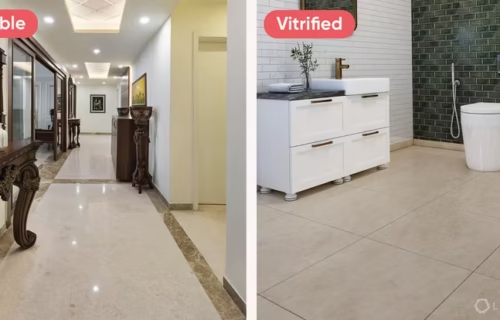
I’ve noticed people default to vitrified tile everywhere purely because it’s the safe, popular choice — and while it’s genuinely versatile, it’s not always the best fit for every single room, especially bedrooms where a warmer material feels nicer first thing in the morning.
H3: Key Factors That Should Drive Room-by-Room Flooring Choices
- Moisture exposure — bathrooms and kitchens need water-resistant materials, bedrooms don’t
- Foot traffic level — hallways and living rooms need more durable, scratch-resistant options
- Temperature comfort — bedrooms benefit from warmer materials underfoot compared to cooler tile
- Maintenance realistically expected — busy households may want lower-maintenance options in high-use areas
Living Room and Hallway Flooring Considerations
Direct answer: For living rooms and hallways, vitrified tile, engineered wood, or laminate all work well when choosing flooring for each room based on high foot traffic — durability and ease of cleaning matter more here than in low-traffic spaces.
- Vitrified tile handles heavy foot traffic well and requires minimal maintenance, a practical choice for busy households
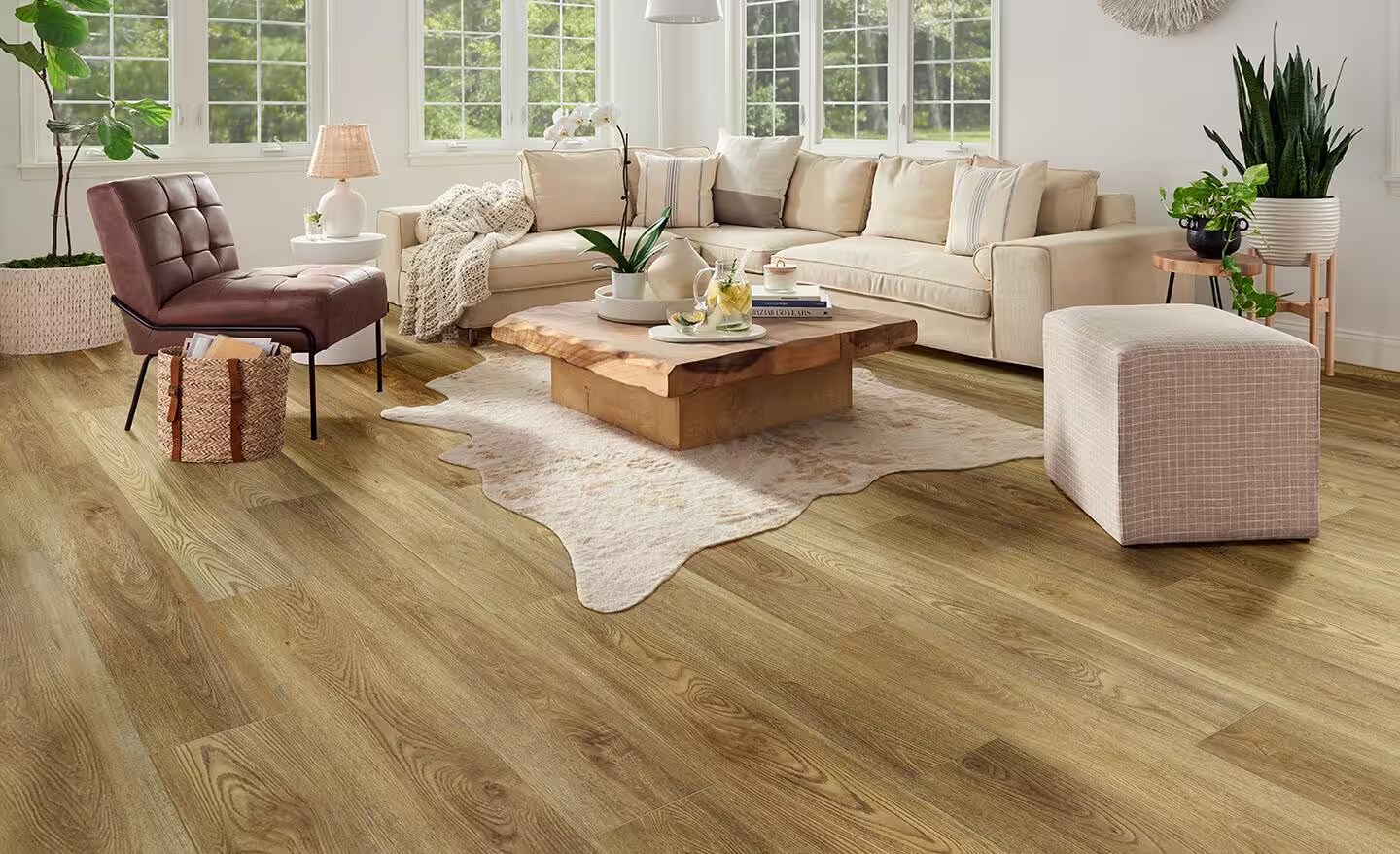
- Engineered wood adds warmth and visual appeal, though it needs more careful cleaning than tile
- Laminate offers a budget-friendly wood look with decent durability, suitable for moderate traffic areas
- Avoid delicate natural stone in high-traffic hallways unless you’re prepared for regular resealing and careful maintenance
Bedroom Flooring: Comfort Takes Priority
Bedrooms are where flooring choice shifts from purely practical to genuinely about comfort. This is the one room where I’d argue warmth underfoot matters more than durability.
- Engineered wood or laminate flooring feels warmer and more inviting than cold tile, especially during winter months
- Carpet, while less common in Indian homes due to dust and humidity concerns, works well in cooler climate regions
- Vitrified tile remains an option for those prioritizing low maintenance over warmth, particularly in hot regions
- Consider adding area rugs over tile flooring as a practical middle ground between warmth and easy cleaning
Picture a small business owner in Jaipur who runs their home office from a spare bedroom, spending long hours at a desk. They opted for engineered wood specifically because standing and sitting on cold tile all day felt genuinely uncomfortable during winter.
Kitchen Flooring Needs Water and Stain Resistance
Direct answer: Kitchen flooring should prioritize water resistance and easy cleaning above all else — vitrified tile and vinyl both handle spills and grease well, while porous materials like unsealed natural stone are poor choices for choosing flooring for each room in this specific space.
- Vitrified or ceramic tile remains the most popular kitchen choice in India, handling spills, heat, and heavy use reliably
- Vinyl flooring offers water resistance with a softer feel underfoot, appealing for kitchens where you stand for long cooking sessions
- Avoid hardwood in kitchens unless properly sealed and maintained, since water exposure near sinks causes warping over time
- Textured, slip-resistant finishes matter more here than in any other room, given the likelihood of wet or greasy floors
Bathroom Flooring: Slip Resistance Is Non-Negotiable
Has this ever happened to you — a beautifully polished bathroom floor that turns into a genuine hazard the moment it gets wet? Slip resistance should never be an afterthought here.
- Anti-skid ceramic or vitrified tile specifically designed for wet areas is the standard, sensible choice
- Avoid highly polished, glossy tiles in bathrooms regardless of how attractive they look in a showroom
- Textured or matte-finish tiles provide meaningfully better grip when wet
- Ensure proper waterproofing beneath the flooring itself, not just a water-resistant surface layer
Balcony and Outdoor Space Flooring
Outdoor and semi-outdoor flooring faces weather exposure that indoor rooms simply don’t deal with, so the material list narrows considerably.
- Vitrified or outdoor-rated ceramic tile handles sun and rain exposure without significant degradation
- Natural stone (kota, sandstone) remains popular for terraces, offering a cooler surface underfoot in hot climates
- Avoid indoor-only laminate or engineered wood on balconies, since moisture and UV exposure damage these materials quickly
- Ensure proper drainage slope regardless of material choice, since standing water causes problems over time even with water-resistant flooring
Budgeting Flooring Choices Across an Entire Home
Direct answer: A realistic room-by-room flooring budget mixes cost-effective options (vitrified tile at ₹40-80 per sq ft) for high-traffic areas with slightly pricier choices (engineered wood at ₹150-300 per sq ft) reserved for bedrooms where comfort matters more than the lowest possible cost.
Mixing materials strategically — rather than uniform flooring throughout — often works out similarly priced overall while genuinely suiting each room’s actual needs better.
FAQ: Choosing Flooring for Each Room Questions
Is it a problem to use different flooring materials in different rooms? Not at all — in fact, matching material to each room’s specific function usually produces better long-term results than uniform flooring throughout.
What’s the best flooring for a kitchen that sees heavy daily use? Vitrified tile remains the most practical choice, balancing water resistance, durability, and ease of cleaning for high-use kitchens.
Should bedrooms have the same flooring as the rest of the house? Not necessarily — bedrooms benefit from warmer materials like engineered wood or laminate, which feel more comfortable underfoot than tile.
Is natural stone ever a good choice for high-traffic areas? It can be, but requires more maintenance and resealing than tile, making it better suited to moderate rather than heavy traffic zones.
What flooring works best for a home with young children? Softer materials like vinyl or laminate reduce impact from falls compared to hard tile, while still offering reasonable durability.
How do I transition between different flooring types in adjoining rooms? Transition strips at doorways handle height differences and create a clean visual break between materials without looking disjointed.
Final Thoughts
Choosing flooring for each room based on actual use rather than blanket consistency leads to a home that genuinely works better day to day. Prioritize water resistance in kitchens and bathrooms, comfort in bedrooms, and durability in high-traffic living spaces. Mixing materials thoughtfully across rooms isn’t inconsistent design — it’s smart design, matched to how each space actually gets lived in.
Suggested image alt text:
- “Engineered wood flooring in warm bedroom setting”
- “Anti-skid tile flooring installed in bathroom”
- “Vitrified tile flooring in high-traffic living room”