Decorating a Rental Home Without Losing Your Deposit
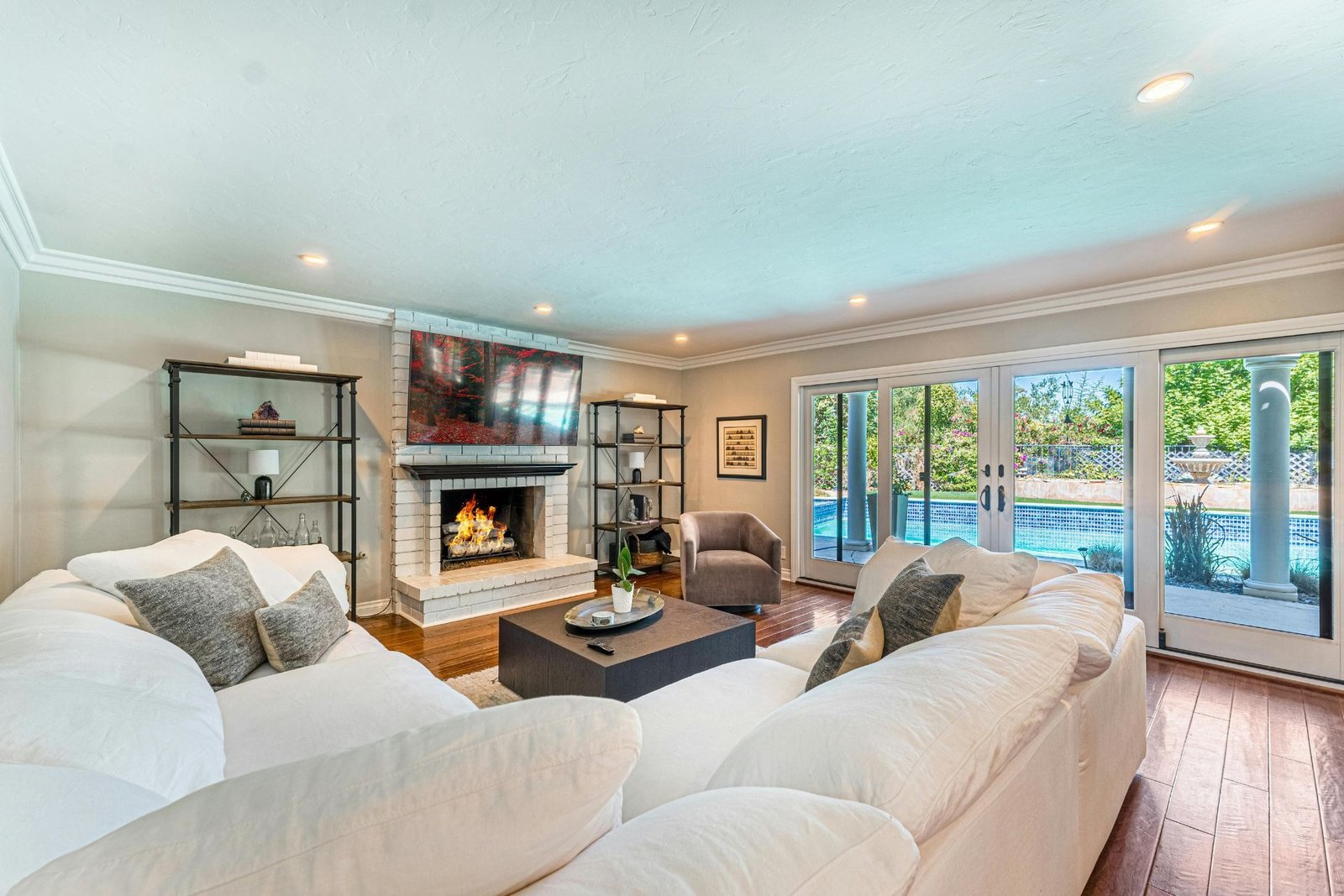
How to Decorate a Rental Home Without Losing Your Deposit
Renters get a rough deal when it comes to making a space feel like home. Drill a hole in the wrong spot, paint over that landlord-approved beige, and suddenly your deposit’s at risk. But decorating a rental home doesn’t have to mean living in a bare, personality-free box for years. There’s a genuine skill to making a rented space feel like yours while keeping every wall, fixture, and surface exactly as it needs to be at move-out. In 2026, with more renters staying in rentals longer due to property prices, getting this balance right matters more than ever. Here’s how to actually do it.
Understand Your Lease’s Specific Restrictions First
Every rental agreement is different, and assuming yours matches a friend’s lease terms is how deposits get lost unnecessarily.
I’ve noticed tenants often assume “no modifications” clauses are stricter than landlords actually enforce in practice, while other times people assume small changes are fine when the lease explicitly prohibits them. Read the actual document, not what feels reasonable.
H3: What Most Rental Agreements Typically Restrict
- Drilling holes for shelves, curtain rods, or wall art beyond what’s already there
- Painting walls a different color without written landlord approval
- Structural changes, even minor ones like removing a built-in shelf
- Permanent fixtures added to bathrooms or kitchens without prior consent
Command Strips and Adhesive Hooks Solve More Than People Think
Direct answer: Quality adhesive hooks and strips (like 3M Command products) hold surprisingly heavy items — up to 3-7 kg depending on the product line — making them the safest starting point for decorating a rental home without any wall damage.
- Test adhesive products on an inconspicuous wall area first, since some textured or freshly painted walls react differently
- Remove strips slowly and at the recommended angle to avoid pulling off paint, which some cheaper landlord-grade paints are prone to
- Use these for hanging light frames, small shelves, and even lightweight curtain solutions without a single drill hole
- Budget roughly ₹150-400 for a decent set covering several picture frames or a small shelf setup
Picture a small business owner in Jaipur renting an apartment near their shop, wanting artwork up without risking their deposit on a two-year lease. Command strips handled an entire gallery wall of framed prints, removed cleanly at move-out with zero wall damage.
Removable Wallpaper and Wall Decals
Has this ever happened to you — wanted to add color or pattern to a rental wall, but painting felt too permanent and risky? Removable options solve exactly this problem.
- Peel-and-stick wallpaper has genuinely improved in quality, with better adhesive that removes cleanly from most painted surfaces
- Test a small section in a closet or behind furniture first, since older or poorly maintained paint can peel along with the wallpaper
- Wall decals work well for smaller accent areas without committing to an entire wall’s worth of pattern
- Always check the manufacturer’s removal instructions before applying, since improper removal technique causes most wallpaper-related deposit issues
Rugs and Textiles Transform a Space Without Touching Walls
Direct answer: Layering rugs, curtains, and cushions is one of the safest decorating a rental home strategies since textiles require zero permanent changes to the property while dramatically shifting how a room feels and looks.
- A large area rug instantly warms up bare tile or laminate flooring common in most rental units
- Curtains in a different color or pattern than the landlord’s basic blinds add personality without any wall modification
- Layering cushions and throws on existing furniture updates the look without buying new pieces entirely
- Removable, tension-mounted curtain rods avoid drilling into window frames while still holding decent curtain weight
Furniture and Room Layout Changes That Make a Big Difference
Sometimes the biggest transformation in a rental comes from simply rearranging what’s already there, or adding a few key freestanding pieces.
- Room dividers or bookshelves can section off open layouts without any structural change
- Freestanding shelving units add storage and display space that built-in shelving would otherwise provide
- A statement rug plus strategically placed furniture can visually define a “living room” and “dining area” within one open space
- Mirrors, simply leaned against a wall rather than mounted, add light and depth without a single nail
Temporary Lighting Solutions for Personality
Lighting genuinely changes a room’s mood more than people expect, and most solutions here need zero permanent installation.
- Plug-in floor and table lamps offer far more personality than a landlord’s standard overhead fixture
- String lights (battery-operated or plug-in) add warmth without any electrical modification
- Removable under-cabinet LED strips in kitchens brighten workspaces without rewiring anything
- Lamp shades alone can shift a room’s entire feel for a relatively small cost
Protecting Your Deposit With Documentation
This step gets skipped constantly, and it’s one of the most useful things any renter can do regardless of how much decorating they plan.
- Photograph every room thoroughly before moving in any furniture or decor, dated and time-stamped if possible
- Keep receipts for any approved modifications, however minor, in case questions arise later
- Do a final walkthrough with your landlord before move-out whenever possible, addressing concerns before they become deposit deductions
- Reverse any changes exactly as agreed in your lease before the final inspection, rather than assuming it’ll be overlooked
FAQ: Decorating a Rental Home Questions
Can I paint my rental walls without permission? Generally no — most leases require written landlord approval, and unauthorized painting is one of the most common reasons deposits get withheld.
Do adhesive hooks and strips really not damage paint? Quality products, applied and removed correctly, generally don’t damage standard wall paint, though it’s always worth testing an inconspicuous spot first.
Is removable wallpaper actually safe for rental walls? Yes, when applied to well-maintained painted walls and removed per manufacturer instructions, though older or poor-quality paint can sometimes peel along with it.
What’s the biggest mistake renters make that costs them their deposit? Making unauthorized structural or wall changes without documenting the original condition beforehand, making disputes harder to resolve fairly.
Can I add curtain rods without drilling into the window frame? Yes, tension-mounted rods designed to hold lightweight to medium curtains work without any drilling, ideal for rental situations.
Should I get any decorating changes approved by my landlord in writing? Absolutely — verbal approval offers little protection if a dispute arises later; written approval, even a simple text message, is worth keeping.
Final Thoughts
Decorating a rental home without risking your deposit really comes down to choosing removable, non-permanent solutions and documenting everything along the way. Adhesive hooks, removable wallpaper, textiles, and smart furniture placement can transform a space just as effectively as anything permanent, without the risk. Read your lease carefully, get anything uncertain approved in writing, and you can genuinely make a rental feel like home without a single deduction at move-out.
Suggested image alt text:
- “Adhesive wall hooks holding framed artwork in rental apartment”
- “Removable peel and stick wallpaper accent wall”
- “Area rug and cushions decorating rental living room”