How Often Should You Repaint Your Home’s Interior
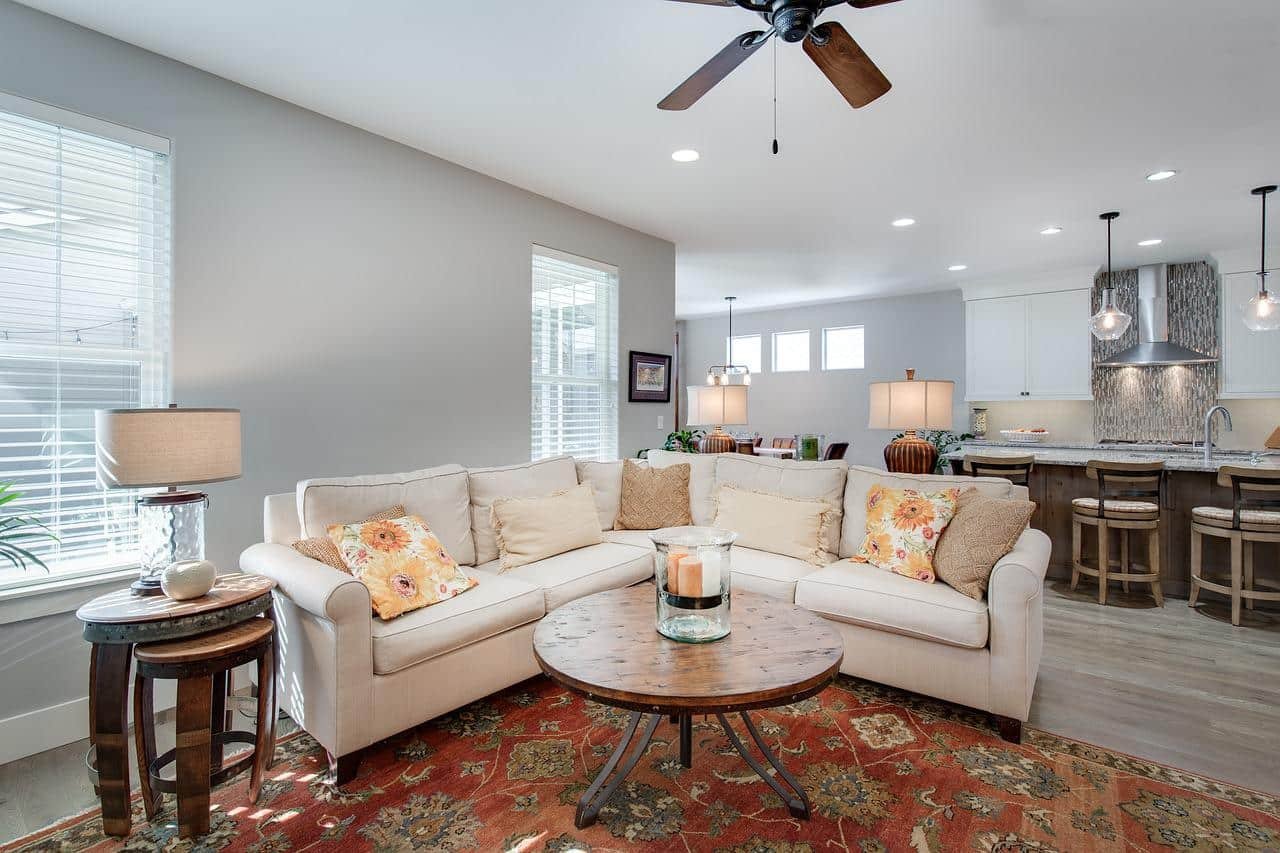
Walk into most Indian homes and you’ll find at least one wall that’s been the same color since a decade ago, quietly yellowing without anyone quite noticing. Repainting isn’t just about chasing trends — it protects walls, hides accumulated grime, and honestly just makes a home feel cared for. Figuring out how often to repaint home interiors properly depends heavily on the room, the paint quality used originally, and how the space actually gets used. In 2026, with paint technology having improved considerably, the old “every 5 years, no exceptions” advice doesn’t quite hold up anymore. Let’s break down what actually makes sense.
Why There’s No Single Answer for the Whole House
Different rooms age differently. A kitchen exposed to cooking grease and steam needs attention sooner than a spare bedroom that barely gets used.
I’ve noticed people apply one blanket repainting schedule to the entire house, when really each room deserves its own timeline based on actual wear and exposure. That one-size-fits-all approach either wastes money repainting rooms that don’t need it, or neglects ones that genuinely do.
H3: Factors That Speed Up How Often Repainting Is Needed
- Direct sunlight exposure, which fades and degrades paint faster than shaded rooms
- Humidity and moisture, particularly relevant for bathrooms and kitchens
- Foot traffic and physical contact, like hallways where walls get bumped and scuffed
- Original paint quality — premium paints genuinely last longer than budget options
General Repainting Timeline by Room Type
Direct answer: As a general guide for how often to repaint home interiors, high-traffic areas like hallways and living rooms need repainting every 3-5 years, bedrooms every 5-7 years, and kitchens and bathrooms every 3-4 years due to grease, steam, and moisture exposure.
- Living rooms and hallways: 3-5 years, given heavy foot traffic and frequent contact with furniture and hands
- Bedrooms: 5-7 years, since these rooms typically see less physical wear and lower humidity
- Kitchens: 3-4 years, due to grease buildup and steam exposure that degrades paint finish faster
- Bathrooms: 3-4 years, driven by consistent moisture and humidity that ordinary wall paint isn’t always designed to handle well
Picture a small business owner in Jaipur who repainted their entire home uniformly every 5 years regardless of room. After switching to a room-specific schedule — kitchen and bathroom every 3-4 years, bedrooms stretched to 6-7 — they actually spent less overall while keeping high-wear areas looking fresher.
Signs a Room Needs Repainting Sooner Than Expected
Timelines are useful guides, but visible signs matter more than a rigid schedule. Has this ever happened to you — a wall that “shouldn’t” need repainting yet, but clearly does based on how it looks?
- Visible fading, especially on walls that get direct sunlight through windows for much of the day
- Cracking, peeling, or bubbling paint, often indicating moisture issues beneath the surface that need addressing before repainting
- Persistent stains or marks that don’t respond to cleaning, common in kitchens and children’s rooms
- Chalky residue that comes off on your hand when touched, a sign the paint’s protective binder has broken down
Paint Quality Significantly Affects Repainting Frequency
Direct answer: Premium emulsion paints can last 7-10 years with proper care, while budget-grade paints often need repainting within 3-4 years, meaning the upfront cost difference in how often to repaint home decisions often evens out or even favors premium paint over a decade.
- Premium paints use better binders and pigments, resisting fading and chalking considerably longer
- Budget paints, while cheaper per liter, often require more frequent touch-ups and full repaints
- Washable or scrubbable paint finishes hold up better in high-traffic areas, extending time between full repaints
- Investing in quality paint for high-wear rooms specifically (kitchen, hallway) often pays off more than uniform budget paint throughout
Climate and Regional Factors Affecting Repaint Frequency
Rajasthan’s climate — intense heat, dust, and a shorter but still significant monsoon — affects paint differently than coastal or northern regions.
- Dust accumulation in dry climates can dull paint appearance faster, sometimes making walls look like they need repainting sooner than the paint’s actual condition warrants
- Intense summer heat can cause paint to become brittle over time, particularly on sun-facing exterior-adjacent walls
- Homes near busy roads or construction areas accumulate grime faster, needing more frequent cleaning and eventually repainting
- Air conditioning use affects indoor humidity levels, which in turn affects how paint ages over years of use
Cost Considerations for Repainting Decisions
Repainting an entire home isn’t cheap, so understanding realistic costs helps with planning rather than reacting only when walls look obviously worn.
- Budget-grade paint and labor: roughly ₹15-25 per square foot for a full room repaint
- Premium paint and labor: roughly ₹25-40 per square foot, reflecting both better material and often more careful application
- A typical 2-3 bedroom home repaint (excluding ceiling) runs approximately ₹35,000-70,000 depending on paint grade chosen
- Spot touch-ups between full repaints can meaningfully extend the interval, costing far less than a complete redo
Building a Realistic Room-by-Room Repainting Schedule
Rather than repainting the whole home at once, stagger it by room based on actual wear rather than treating every wall identically.
Track approximate repaint dates by room in a simple note or spreadsheet. Prioritize kitchens and bathrooms on a shorter cycle, while bedrooms and less-used spaces can comfortably stretch longer between fresh coats.
FAQ: How Often to Repaint Home Interior Questions
Do all rooms in a home need repainting on the same schedule? No — kitchens and bathrooms typically need repainting every 3-4 years due to grease and moisture, while bedrooms can often go 5-7 years.
Does premium paint really last long enough to justify the extra cost? Often yes — premium paints can last 7-10 years versus 3-4 for budget options, which frequently evens out the cost difference over a decade.
What are the clearest signs a room needs repainting? Visible fading, cracking or peeling, persistent stains, and a chalky residue when touched are all reliable indicators it’s time.
Does sunlight exposure really affect how often repainting is needed? Yes, significantly — walls with direct, prolonged sunlight exposure fade and degrade faster than shaded interior walls.
Is it cheaper to repaint the whole house at once versus room by room? Doing it all at once can reduce per-room labor costs slightly, but staggering by actual need often saves money overall by avoiding premature repaints.
Can touch-up painting extend the time before a full repaint is needed? Yes, spot touch-ups on scuffed or stained areas can meaningfully delay the need for a complete room repaint, saving cost in the interim.
Final Thoughts
Figuring out how often to repaint home interiors really depends on room-specific wear rather than one fixed number for the entire house. Kitchens and bathrooms need attention sooner due to grease and moisture; bedrooms can comfortably wait longer. Watch for fading, cracking, and chalking as your real signal rather than sticking rigidly to a calendar date, and consider investing in better paint for high-wear areas specifically — it tends to pay for itself over time.
Suggested image alt text:
- “Faded interior wall paint needing repaint assessment”
- “Painter applying fresh coat to kitchen wall”
- “Peeling paint on bathroom wall due to moisture exposure”