Kitchen Herb Garden Ideas for Fresh Herbs All Year
How to Design a Kitchen Garden for Fresh Herbs Year-Round
Running out of coriander mid-recipe is a small but genuinely annoying kitchen problem. A well-planned kitchen herb garden fixes that permanently, and you don’t need a big backyard to pull it off. Good kitchen herb garden ideas work just as well on a sunny windowsill or a narrow balcony as they do in a full garden bed. In 2026, more apartment dwellers are turning small unused corners into productive little herb setups, and honestly, it’s one of the more satisfying home projects I’ve come across. Let’s get into what actually makes this work year-round, not just for one good season.
Why a Year-Round Herb Garden Needs More Planning Than a Seasonal One
Most people plant herbs once, enjoy a good few months, then watch everything die off and never replant. A proper year-round setup needs a bit more structure than that casual approach.
I’ve noticed the biggest difference between a thriving kitchen herb garden and a struggling one usually comes down to sunlight planning, not soil quality or fancy pots. People underestimate how much light herbs actually need.
H3: What Separates a Seasonal Herb Patch From a Year-Round One
- Staggered planting so different herbs peak at different times, avoiding an all-or-nothing harvest
- Mixing sun-loving and shade-tolerant herbs based on your specific space’s light pattern throughout the year
- Choosing hardy perennial herbs alongside faster-growing annuals for continuous supply
- Adjusting for seasonal heat and monsoon conditions rather than assuming one setup works all year
Choosing the Right Herbs for Indian Climate Conditions
Direct answer: For year-round kitchen herb garden ideas in most Indian climates, mint, curry leaves, and tulsi handle heat and humidity well, while coriander and dill do better in cooler months and need reseeding every 6-8 weeks for continuous supply.
- Perennial and hardy: mint, curry leaves, tulsi, lemongrass — these survive most of the year with minimal fuss
- Cool-season annuals: coriander, dill, fenugreek greens — thrive October through February in most regions
- Heat-tolerant options: basil (Indian varieties especially), oregano handles Indian summers reasonably well too
- Herbs that struggle in extreme heat: cilantro bolts (flowers and turns bitter) quickly once temperatures cross 30°C consistently
Picture a small business owner in Jaipur running a home-based tiffin service, needing fresh coriander and mint daily without relying entirely on market runs. A staggered planting schedule — new coriander seeds every 3 weeks — solved that supply gap without much extra effort.
Container Selection Matters More Than People Realize
Not every pot works for every herb, and getting this wrong is one of the most common kitchen herb garden ideas mistakes.
- Mint needs its own container always — it spreads aggressively and will choke out other herbs sharing the same pot
- Deep-rooted herbs like rosemary need pots at least 10-12 inches deep
- Shallow-rooted herbs like basil and coriander do fine in 6-8 inch pots
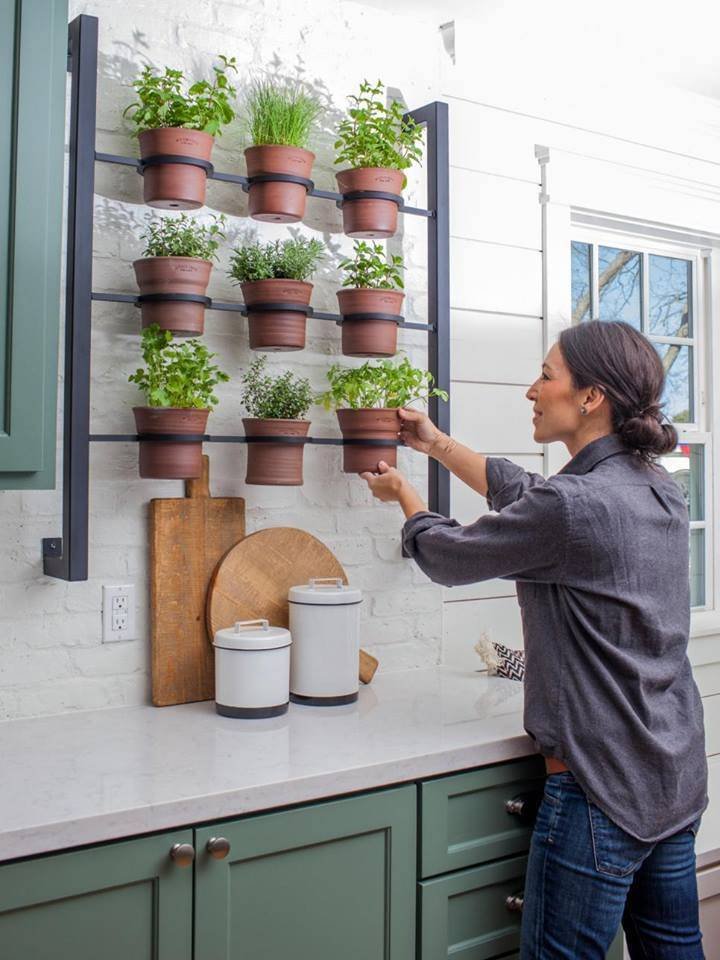
- Terracotta pots breathe better and suit Indian climates, though they dry out faster and need more frequent watering than plastic
Has this ever happened to you — planted mint alongside other herbs, only to find it’s taken over the entire container within weeks? That’s basically inevitable with mint. Keep it isolated, always.
Sunlight and Placement Strategy for Small Spaces
Direct answer: Most kitchen herbs need 4-6 hours of direct sunlight daily, so a south or east-facing balcony or windowsill typically works best; herbs like mint and coriander tolerate partial shade better than basil or rosemary, which need fuller sun exposure.
- East-facing spots get gentler morning sun, ideal for delicate herbs like coriander that can scorch in harsh afternoon light
- South-facing balconies get the most consistent light but may need afternoon shade cloth during peak summer
- Kitchen windowsills work well for smaller herb pots but rotate them weekly for even growth, since window light is often directional
- If natural light is limited, a basic grow light (₹500-1,500) extends options considerably for apartments with north-facing kitchens only
Soil and Watering Adjustments Through the Seasons
Herbs don’t need the same care routine year-round, and this is where a lot of kitchen gardens quietly fail without the gardener realizing why.
- Summer: water daily, sometimes twice for pots in direct sun, since terracotta dries out fast in Indian heat
- Monsoon: reduce watering significantly and ensure proper drainage — waterlogged roots kill herbs faster than drought does
- Winter: watering frequency drops to every 2-3 days for most herbs, less for hardy perennials
- Refresh soil with compost every 3-4 months regardless of season; container soil depletes nutrients faster than garden beds
Staggered Planting for Continuous Supply
This is the actual secret to year-round herbs, more than any single plant choice. Plant the same fast-growing herb (coriander, for instance) every 3 weeks rather than all at once.
That way, as one batch gets harvested down, the next is already coming up behind it. I’d argue this single habit matters more than any fancy container setup or premium soil mix people obsess over.
Common Problems and How to Solve Them
Kitchen herb gardens run into a fairly predictable set of issues, and most have simple fixes once you know what’s actually happening.
- Leggy, weak growth usually means insufficient light — relocate or add a grow light
- Yellowing leaves often indicate overwatering rather than a nutrient deficiency, despite what most people assume first
- Pest issues (aphids especially) respond well to a simple neem oil spray, avoiding harsher chemicals near edible plants
- Herbs going to seed quickly in heat is largely unavoidable for some varieties; harvest before flowering starts for the best flavor
FAQ: Kitchen Herb Garden Ideas Questions
What’s the easiest herb to start with for a beginner? Mint and curry leaves are genuinely hard to kill and forgive a lot of beginner mistakes, making them ideal starting points.
How much space do I actually need for a kitchen herb garden? Very little — a few pots on a sunny windowsill or a small balcony rail setup can supply a household’s regular cooking needs.
Can herbs really grow well indoors without a balcony? Yes, with a sunny window or a basic grow light, though growth will generally be slower than with direct outdoor sunlight.
How do I keep herbs producing through the Indian summer heat? Provide afternoon shade for delicate herbs, water more frequently, and choose heat-tolerant varieties like tulsi and curry leaves as your backbone.
Why does my coriander keep flowering and turning bitter so fast? That’s called bolting, and it happens fast in high heat. Plant coriander in cooler months and harvest young rather than letting it mature fully in summer.
Do I need special soil for a kitchen herb garden, or will regular potting mix work? A good quality potting mix with added compost works fine for most herbs; just refresh it every few months since containers deplete nutrients faster than ground soil.
Final Thoughts
Solid kitchen herb garden ideas come down to matching the right herbs to your actual light conditions, staggering plantings so you’re never without supply, and adjusting care through the seasons rather than setting it up once and forgetting it. Start small — three or four pots with hardy herbs like mint, curry leaves, and tulsi — then expand as you get a feel for your space’s specific sunlight pattern. Give it a season, and you’ll likely never buy store-bought coriander again.
Suggested image alt text:
- “Small balcony kitchen herb garden with mint and coriander pots”
- “Terracotta pots with fresh basil and curry leaves on windowsill”
- “Staggered herb planting for continuous kitchen garden supply”