Textured Paint Ideas to Add Character to Plain Walls
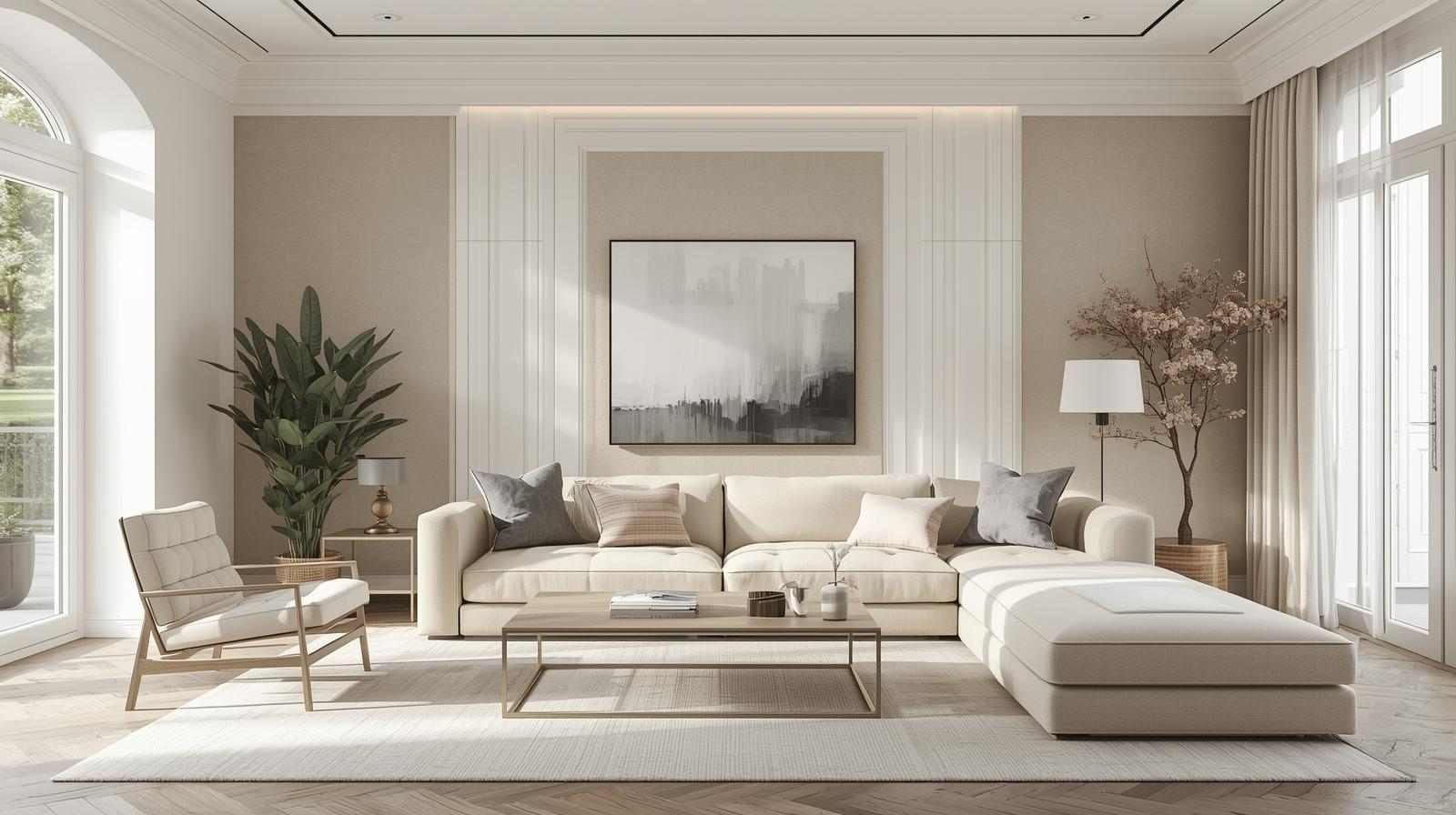
Flat walls in a flat color have a way of making even a nicely furnished room feel a bit unfinished. Something’s missing, but it’s hard to pinpoint what. Often, the answer is texture — a dimension most homeowners never consider until they see it done well somewhere else. Good textured paint wall ideas can transform a plain room without the cost or mess of wallpaper or cladding, and they’ve genuinely gotten more accessible in 2026 with better products and simpler application methods available locally. Let’s look at what actually works and where.
Why Texture Changes a Room More Than Color Alone
Flat paint, however nice the shade, reflects light uniformly and offers nothing for the eye to linger on. Texture creates shadow and depth, which changes how a room feels throughout the day as light shifts.
I’ve noticed accent walls done in flat color often look a bit “trying too hard,” while a textured wall in a similar or even neutral tone reads as more deliberate and higher-end, almost without effort.
H3: Rooms Where Textured Walls Work Particularly Well
- Living room feature walls, especially behind a sofa or TV unit
- Entryways, where the first impression benefits from visual interest
- Bedroom headboard walls, adding depth without overwhelming a restful space
- Home office accent walls, giving character to what’s otherwise a functional space
Popular Textured Paint Techniques Worth Trying
Direct answer: Among the most accessible textured paint wall ideas, sponge texturing, comb texturing, and stucco-effect finishes offer dramatic visual change without requiring specialized equipment, making them practical DIY or contractor projects for most Indian homes.
- Sponge texturing creates a soft, mottled effect using a natural or synthetic sponge dabbed over a base coat
- Comb texturing uses a notched trowel to create linear or wave patterns through wet textured paint, giving a more structured look
- Stucco-effect finishes mimic the look of plastered Mediterranean walls, popular for entryways and living rooms
- Rag-rolling technique creates a soft, cloud-like variation, particularly forgiving for beginners attempting it themselves
Lime Plaster and Tadelakt-Style Finishes
These finishes have genuinely gained popularity recently, partly because they connect back to traditional Indian and Mediterranean building techniques rather than feeling like a trend imported wholesale from elsewhere.
- Lime plaster texturing offers a soft, matte, slightly imperfect finish that photographs beautifully and ages gracefully
- Tadelakt (a Moroccan waterproof plaster technique) works especially well in bathrooms, combining texture with genuine water resistance
- Both techniques require skilled application — this is one area where a DIY attempt often shows visible amateur mistakes
- Expect to pay a premium for these specialized finishes given the skilled labor involved, typically ₹150-300 per square foot
Picture a small business owner in Jaipur who wanted their café’s entrance wall to feel warm and artisanal rather than corporate. A lime plaster finish, done by a specialist, achieved exactly that mood — something flat paint simply couldn’t replicate.
DIY-Friendly Texture Options for Budget Projects
Has this ever happened to you — wanted a textured accent wall but got quoted a price that felt disproportionate to a single wall’s size? Some techniques are genuinely doable yourself.
- Stippling with a stiff brush creates subtle texture, forgiving even for first-time DIYers
- Textured rollers (widely available at hardware stores) apply consistent patterns with minimal skill required
- Joint compound or drywall mud, applied with a trowel in loose swirls, creates dramatic texture at very low material cost
- Practice on a spare board or less visible wall section first, since texture techniques are harder to correct once dry than flat paint
Choosing the Right Wall for a Textured Treatment
Not every wall benefits from texture, and choosing poorly can make a room feel cluttered rather than intentional.
- Choose one focal wall rather than texturing an entire room, which can overwhelm a space visually
- Larger, unbroken walls (without too many windows or doors) showcase texture better than busy, interrupted walls
- Consider the room’s existing furniture and decor style, since heavily textured walls can clash with very minimalist setups
- Test a small sample patch before committing to an entire wall, since lighting affects how texture reads dramatically
Color Considerations for Textured Walls
Direct answer: Textured textured paint wall ideas generally work best in neutral or earthy tones — warm whites, terracotta, sage green — since texture already provides visual interest, and busy colors alongside heavy texture can feel overwhelming rather than sophisticated.
- Neutral tones let the texture itself be the visual focus, rather than competing with a bold color choice
- Earthy tones (terracotta, ochre, warm greys) pair particularly well with plaster-style textures for a grounded, natural feel
- Reserve bolder colors for smoother accent walls if you want strong color as the statement instead of texture
- Metallic or pearlescent textured finishes work well in smaller doses, like a powder room or hallway niche, rather than large rooms
Cost and Maintenance Expectations
Textured walls do come with slightly different upkeep considerations compared to flat paint, worth knowing before committing.
- Textured surfaces collect more dust than flat paint, needing periodic gentle dusting or vacuum brush attachment cleaning
- Repairs to textured walls (from accidental damage) are trickier to patch seamlessly than flat paint touch-ups
- Budget roughly ₹80-200 per square foot depending on technique complexity and whether it’s DIY or professionally applied
- Factor in that removing textured paint later, if you change your mind, involves more effort than simply repainting flat walls
FAQ: Textured Paint Wall Ideas Questions
Can I apply textured paint myself, or do I need a professional? Simpler techniques like sponging or textured rollers are DIY-friendly, while specialized finishes like lime plaster or tadelakt are best left to skilled professionals.
Does textured paint cost significantly more than flat paint? Yes, generally — expect to pay more per square foot due to both specialized products and the additional labor and time required.
Is textured paint harder to clean than flat paint? Somewhat, since texture traps more dust; regular gentle dusting keeps it looking fresh without needing anything beyond standard cleaning tools.
What room is best suited for a first textured paint project? An entryway or a single accent wall in a living room offers good visual impact without committing an entire room to the technique.
Can textured paint be removed if I want to change it later? Yes, but it typically requires sanding down or applying a skim coat before repainting flat, which is more involved than a standard repaint.
Do textured walls work well in humid rooms like bathrooms? Certain finishes, like tadelakt, are specifically designed for wet areas, but standard textured paint isn’t always suitable for high-moisture bathrooms without proper sealing.
Final Thoughts
Good textured paint wall ideas turn a flat, forgettable room into something with genuine visual depth, without the cost of a full renovation. Start with one focal wall, choose a technique that matches your budget and DIY comfort level, and lean toward neutral or earthy tones that let the texture itself do the talking. A single well-executed textured wall often makes more impact than an entire room of flat color ever could.
Suggested image alt text:
- “Sponge textured accent wall in living room”
- “Lime plaster finish on entryway feature wall”
- “Comb texture pattern on bedroom headboard wall”