A Smarter Way to Understand Your Home’s Water and Air Quality
There’s something oddly easy about ignoring the quality of the water and air inside your home. If the tap runs and the air conditioner blows, everything must be fine, right?
Not always.
You might notice a strange taste in your drinking water, stubborn spots on the shower glass, or a chalky buildup around faucets. Indoors, maybe there’s more dust than usual, lingering odors, or a room that simply doesn’t feel as fresh as it should. None of these signs automatically point to a serious problem, but they’re worth paying attention to.
The first step doesn’t have to be complicated or expensive. In fact, getting some basic information about what’s happening in your home can save you from making the wrong decision later.
Start With a Simple Test
Guessing about water quality is surprisingly common. Someone sees a little scale on the faucet and immediately starts shopping for a water softener. Another person hears that a neighbor installed a filtration system and assumes they need one, too.
But every home is different.
A free water & air test can be a useful starting point for understanding the conditions inside your property. Depending on what’s being tested, water testing may provide information about factors such as hardness, chlorine, pH, sediment or other characteristics. Air assessments can also help identify concerns related to indoor air conditions.
The important part is what you do with the information afterward. A test isn’t useful simply because someone hands you a report full of numbers. You should be able to understand what those results mean and whether they actually require treatment.
Don’t Confuse Hard Water With Dirty Water
Hard water is one of those terms that gets thrown around a lot.
Hard water contains minerals, mainly calcium and magnesium. These minerals aren’t generally considered harmful at typical concentrations, but they can create plenty of household headaches.
Soap may lather poorly. Dishes can develop cloudy spots. Showerheads and faucets can collect mineral deposits. Water heaters and other appliances may also experience scale buildup over time.
That doesn’t necessarily mean you need an elaborate treatment system. The right response depends on the severity of the hardness, your household’s water use and what you’re trying to accomplish.
In other words, don’t let a little white residue convince you that you need every piece of water-treatment equipment on the market.
Your Drinking Water Deserves Some Attention
Most people think about drinking water first, naturally. Taste and odor are often what prompt homeowners to start looking into filtration.
Chlorine, dissolved minerals and other substances can influence how water tastes. Sometimes the issue is less about safety and more about preference. If your tap water tastes unpleasant, you’re probably less likely to drink it regularly — and more likely to reach for bottled water.
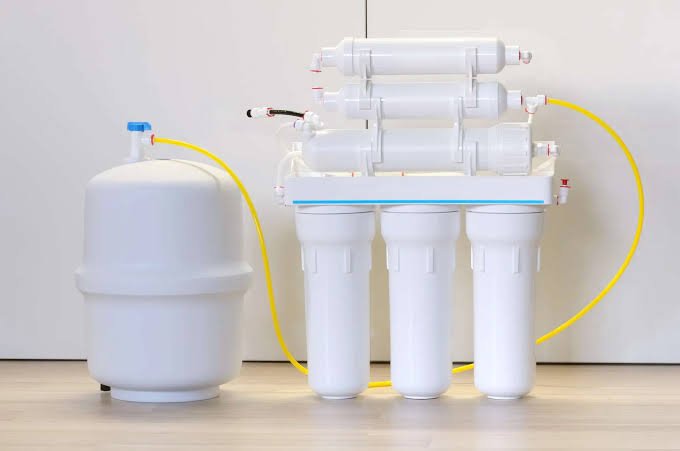
Different filtration technologies address different concerns. Activated carbon, for example, is commonly used to improve taste and reduce certain chemicals. Reverse osmosis can address a different range of dissolved substances.
The key is matching the technology to the problem. A filter shouldn’t be chosen because it has the biggest marketing claim on the box.
What About Indoor Air?
Water tends to get most of the attention, but indoor air deserves a closer look, too.
Modern homes are often built to be energy efficient, which is great for comfort and utility bills. But tightly sealed spaces can also mean that indoor pollutants, odors and airborne particles don’t disperse as quickly as they might outdoors.
Dust is an obvious example. Then there are pet dander, cooking odors and other particles that can circulate through a home’s HVAC system.
Good ventilation, regular HVAC maintenance, appropriate filtration and sensible cleaning habits all play a role in maintaining comfortable indoor air. You don’t necessarily need the latest gadget to make your home feel fresher.
Sometimes the basics really do work.
Know When to Request Professional Help
There are plenty of small maintenance tasks homeowners can handle themselves. Replacing an accessible air filter or cleaning a faucet aerator, for example, isn’t exactly rocket science.
But water treatment and plumbing equipment can become more complicated.
If a system is leaking, losing pressure, making unusual noises or failing to operate as expected, it may be better to request service rather than repeatedly adjusting settings and hoping for the best.
Professional service can also be useful when you’re unsure whether a problem is coming from the treatment equipment or somewhere else in the plumbing. Getting the cause right matters. Otherwise, you can end up spending money fixing something that wasn’t broken in the first place.
Look Beyond the Initial Price
Home improvement decisions often get reduced to one number: How much does it cost?
That’s understandable, but water treatment deserves a slightly broader calculation.
Consider installation, filter replacements, routine maintenance, electricity or water usage where applicable, and the cost of consumables. A system that costs less upfront might require more frequent replacement parts. Another option could cost more initially but be easier to maintain.
Ask about warranties, service availability and replacement components before signing anything.
A reputable provider should be comfortable discussing the long-term ownership experience, not just the day of installation.
Be Skeptical of “One System Fixes Everything”
Water treatment is not a one-size-fits-all industry.
A homeowner with hard water may benefit from softening. Someone concerned primarily about taste may need filtration. Another property could have a completely different issue.
The same principle applies to indoor air. One household might need better HVAC filtration, while another could benefit from addressing ventilation or moisture concerns.
If someone tells you that one product will solve every possible water and air problem without first testing or assessing your home, it’s reasonable to ask more questions.
A little skepticism isn’t being difficult. It’s being a smart customer.
Keep an Eye on Everyday Changes
Your home often gives you clues before a major issue develops.
Pay attention to changes in water taste, unusual odors, visible scale, water pressure or appliance performance. With indoor air, notice persistent odors, unusual dust accumulation or changes in comfort.
None of these signs automatically identify the cause, but they can tell you when it’s time to investigate.
And if a local company offers educational events or promotions, those can sometimes be worth exploring. For example, a water softener giveaway may introduce homeowners to treatment options while giving them a chance to learn more before making a purchase.
Just remember that a giveaway or promotion shouldn’t be the reason you choose a system. Performance and suitability still matter most.
Better Decisions Start With Better Information
You don’t need to become a water-treatment expert to make a sensible choice for your home.
Start by learning what’s actually in your water. Consider the quality of your indoor air. Pay attention to the little signs your home gives you. Ask questions, compare options and don’t be afraid to walk away from a solution that feels unnecessarily complicated.
Most importantly, treat testing and professional advice as tools for making a better decision — not as a reason to buy something you don’t need.
The goal is pretty straightforward: water you enjoy using, air that feels comfortable, and equipment that works quietly in the background without becoming another household headache.
Sometimes improving your home isn’t about adding more things. It’s about understanding what you already have and making a few thoughtful changes where they genuinely count.