Why Reliable Water Services and Regular Maintenance Matter for Your Home
Water treatment is one of those home improvements that tends to stay out of sight. Once a system is installed and the water tastes better or scale becomes less noticeable, it’s easy to forget about it. But behind that everyday convenience is equipment that needs attention, occasional adjustments, and dependable service. Without proper care, even a well-chosen system can lose efficiency over time.
For homeowners, the real value of a water treatment provider isn’t just the equipment they install. It’s also the guidance, maintenance, and support that help keep the system working properly. Understanding what to look for can make the process less stressful and help avoid unexpected problems down the road.
Water Treatment Is About More Than Buying Equipment
Different homes experience different water-quality concerns. Some deal with hard water and mineral scale, while others may notice sediment, iron staining, unpleasant odors, or concerns about specific contaminants. A treatment system should be selected according to the actual water conditions rather than a one-size-fits-all sales pitch.
This is where dependable water services can be useful. A professional provider may offer water testing, equipment recommendations, installation, repairs, and maintenance. Having these services available through a knowledgeable company can make it easier to address a problem from start to finish.
Before choosing a provider, homeowners should ask what services are included and whether the company has experience with the type of water issue they are facing. A company that understands both the equipment and the local water conditions can often provide more practical guidance.
Why Water Testing Should Come Before Treatment
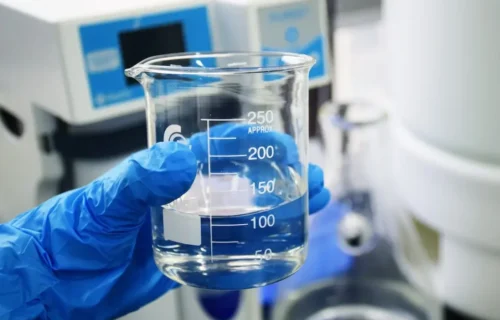
Water testing is an important first step because appearance alone rarely tells the whole story. Clear water can still contain dissolved minerals or other substances that affect taste, staining, or treatment performance.
A test may examine hardness, iron, pH, sediment, and other relevant characteristics. Private well owners may need more comprehensive testing depending on their location and concerns, while municipal-water users may want testing when they notice changes in taste, odor, or appearance.
The results help determine whether a softener, filtration system, iron-removal unit, or another treatment method is appropriate. They can also prevent homeowners from paying for equipment that doesn’t address the actual issue.
In short, testing turns a vague water complaint into a clearer plan.
The Value of Hassle-Free Service Agreements
Water treatment systems require ongoing attention, and hassle-free service agreements can make that responsibility easier to manage. Depending on the provider, an agreement may include scheduled maintenance, inspections, filter replacements, or priority service when a problem occurs.
The exact terms vary, so homeowners should read the agreement carefully. Some plans cover labor but not replacement parts. Others may include specific maintenance visits while charging separately for repairs or consumables.
A useful service agreement should be straightforward about what is included, how often service occurs, and what additional costs may apply. It shouldn’t leave homeowners guessing when a bill arrives.
For busy families, the biggest benefit is often convenience. Instead of remembering every maintenance task independently, a scheduled service plan can help keep the system on track.
Why Regular Maintenance Protects Performance
Like any mechanical or plumbing-related equipment, water treatment systems work best when they receive regular maintenance. Filters eventually become saturated, softeners may need salt replenishment, and certain systems require cleaning or component replacement.
When maintenance is ignored, several problems can develop. Water pressure may decrease, treated water may not perform as expected, or unpleasant taste and odors may return. In some cases, neglected equipment can experience avoidable damage.
Maintenance requirements depend on the system and the home’s water conditions. A household with high sediment or iron levels may need more frequent attention than one with relatively clean incoming water. Usage also matters; a large family may go through filters faster than a single-person household.
Following the manufacturer’s recommendations and keeping track of service dates can help prevent small issues from becoming expensive repairs.
Choosing a Provider That Offers Real Support
Not every water treatment company offers the same level of service. Some focus mainly on equipment sales, while others provide installation, troubleshooting, and long-term maintenance.
When comparing providers, look for clear communication and realistic explanations. A trustworthy company should be able to explain what a system is designed to remove, what it cannot remove, and how often it needs servicing.
It’s also worth asking whether technicians are trained to work with the specific equipment being recommended. A system may have unique settings, maintenance procedures, or replacement parts, and familiarity with those details matters.
Customer reviews can offer useful insight, but they should be considered alongside warranty terms, service availability, and the provider’s willingness to answer questions before the sale.
Understanding the Costs Beyond Installation
The initial installation price is only one part of the total cost of owning a water treatment system. Homeowners should also consider replacement filters, salt, electricity, service visits, repairs, and eventual component upgrades.
A lower-priced system may not remain inexpensive if its replacement parts are costly or difficult to find. On the other hand, a higher initial investment may be worthwhile if the equipment is durable and supported by a dependable service network.
Ask for a clear estimate that separates equipment, installation, maintenance, and recurring expenses. This makes comparisons easier and helps prevent surprises later.
A good provider should be comfortable discussing long-term costs rather than focusing only on the initial purchase.
Recognizing When Your System Needs Attention
Water treatment equipment often gives warning signs before a major issue develops. Changes in water taste, unusual odors, recurring stains, reduced pressure, or visible leaks are all reasons to investigate.
These symptoms don’t always mean the entire system needs replacing. Sometimes, a filter change, cleaning, adjustment, or minor repair is enough. The important thing is not to ignore the change for months and hope it disappears.
Homeowners should also pay attention to maintenance reminders and any alerts built into modern systems. If you’re unsure whether something is normal, contacting the provider is usually better than experimenting with unfamiliar settings.
Making Water Treatment Easier in the Long Run
A water treatment system should provide convenience, not become another source of household stress. The right equipment matters, but so do the services that support it after installation.
By starting with water testing, choosing a provider with clear service options, and keeping up with maintenance, homeowners can protect their investment and enjoy more consistent performance. Service agreements may offer added convenience, particularly for people who prefer scheduled care instead of managing every task themselves.
Ultimately, reliable water treatment comes down to preparation and follow-through. When equipment is properly selected, professionally supported, and maintained on schedule, better water becomes a dependable part of everyday life—not something you have to keep worrying about.