Making Better Water Choices: A Practical Guide to Modern Water Treatment
Clean, reliable water is something most people expect to have every time they turn on a tap. Yet, the water entering a home or business can contain minerals, sediments, unpleasant odors, chemicals, or other contaminants that affect its taste, appearance, and usability. Even when water meets basic safety standards, it may not match the quality a household actually wants.
That’s where modern water treatment becomes useful. Rather than choosing a system based on guesswork or marketing claims, homeowners and business owners can take a more informed approach by understanding their water, identifying specific concerns, and selecting equipment designed for those needs. The right solution can improve daily comfort, protect plumbing, and provide greater confidence in the water being used.
Start With Understanding Your Water
Every water supply is different. Municipal water, private well water, and water from different geographical areas may have very different characteristics. Some locations struggle with hard water, while others may experience sediment, iron, sulfur odors, chlorine taste, or concerns about emerging contaminants.
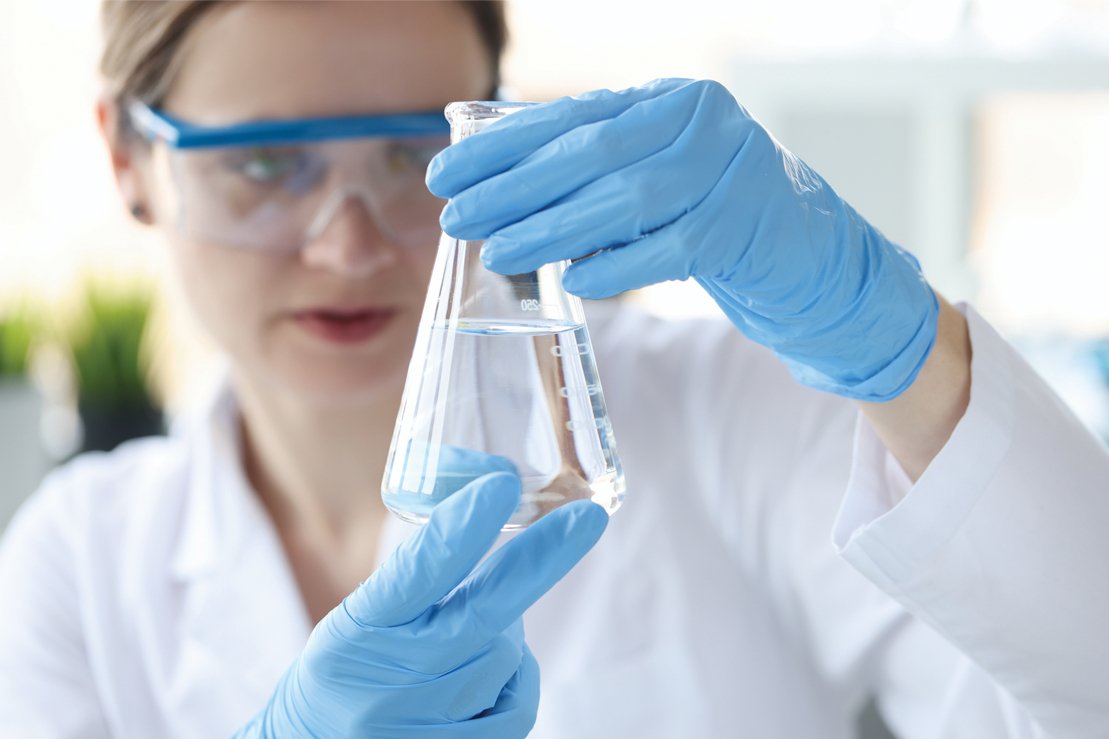
Before investing in equipment, it makes sense to identify what is actually present. A free water test can be a useful starting point, especially for homeowners who are unsure whether their water problems are caused by hardness, sediment, pH imbalance, or another issue.
Testing can provide a clearer picture of water quality and help prevent unnecessary spending. For example, a household dealing with white scale around faucets may need a water softener, while another home experiencing unpleasant taste may benefit more from activated carbon filtration. These are different problems, and they shouldn’t automatically receive the same treatment.
Why Water Hardness Deserves Attention
Hard water is common in many regions and contains elevated levels of minerals such as calcium and magnesium. Although hard water is not usually considered a direct health threat, it can create plenty of practical problems.
Soap may struggle to lather properly. Glassware can develop cloudy spots. Showerheads and faucets may collect mineral deposits, while water heaters and appliances can experience scale buildup over time. Laundry may also feel stiff or look dull after repeated washing.
A water softener works by reducing the minerals responsible for hardness. This can make cleaning easier, improve the feel of washed clothes, and help protect plumbing fixtures. However, not every property needs a softener, so water testing should guide the decision rather than assumptions about the local water supply.
Exploring Different Treatment Options
Modern treatment systems are designed for different purposes. Some focus on the entire home, while others treat water at a single point of use, such as a kitchen faucet.
Whole-home filtration systems can help reduce sediment, chlorine, odors, and certain unwanted substances before water reaches showers, sinks, and appliances. They are particularly useful when the goal is to improve water quality throughout the property rather than only at the drinking-water tap.
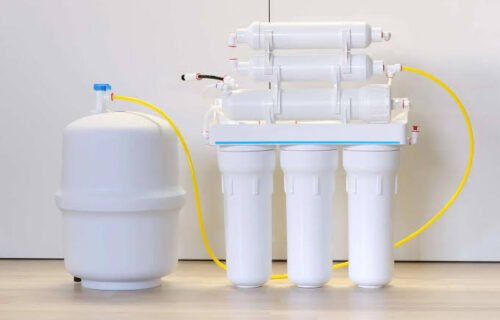
Reverse osmosis systems are often used for drinking and cooking water. These systems push water through specialized membranes to reduce a broad range of dissolved impurities. Because reverse osmosis can remove minerals along with contaminants, it is commonly installed under a kitchen sink or at a dedicated drinking-water station.
Carbon filters, sediment filters, softeners, ultraviolet systems, and specialized contaminant-removal units all serve different roles. Understanding those differences is important when comparing water treatment products. The most expensive option is not necessarily the most suitable one, and a system that works well for one property may be unnecessary or ineffective for another.
Pay Attention to Technology and System Design
Water treatment has changed considerably over the years. Today’s equipment may include improved filtration media, automated controls, smart monitoring, efficient regeneration cycles, leak detection, and systems that provide alerts when maintenance is needed.
This progress matters because water treatment is no longer only about installing a tank and hoping for the best. Good system design considers water usage, household size, incoming pressure, contaminant levels, available space, maintenance requirements, and long-term operating costs.
Companies investing in best-in-class technological innovation may offer systems that are more efficient, easier to monitor, or better suited to specific water-quality challenges. Still, technology should support a clear purpose. A smart feature is useful when it helps a customer understand system performance or avoid a problem, not simply because it sounds impressive in a brochure.
Consider the Needs of Your Household or Business
A small apartment, a large family home, a restaurant, and an office building will not have identical water-treatment requirements. Water consumption, peak demand, plumbing design, and operational priorities all influence the right choice.
For residential properties, homeowners may focus on better-tasting drinking water, softer water for bathing, reduced scale, or protection for appliances. Families with young children may also want clear information about contaminants that could affect their drinking supply.
Commercial properties often have additional concerns. Restaurants need dependable water for food preparation, cleaning, and equipment. Hotels may want to reduce scale in boilers, laundry systems, and guest bathrooms. Offices may prioritize drinking-water quality and reliable filtration in break rooms.
A professional assessment can help determine whether one integrated system or several targeted solutions make more sense. It can also prevent the common mistake of selecting equipment based only on the size of the property.
Maintenance Is Part of Water Quality
Even a well-designed treatment system needs regular care. Filters eventually become saturated, softeners require salt or servicing, membranes need replacement, and storage tanks or other components may need inspection.
Ignoring maintenance can reduce performance and, in some cases, create new water-quality concerns. A filter that is overdue for replacement may not work as intended. A neglected softener may stop reducing hardness effectively. Regular servicing helps ensure that the equipment continues to perform according to its design.
Before purchasing a system, ask about filter replacement schedules, service availability, warranty coverage, and expected operating costs. A treatment solution should be practical not only on installation day but also several years later.
Making a Confident, Informed Decision
Choosing a water treatment system doesn’t have to be complicated, but it should be thoughtful. Begin with testing, understand the specific issue, compare treatment methods, and consider both installation and maintenance costs. It’s also wise to work with professionals who explain their recommendations clearly instead of pushing equipment without discussing the water conditions.
The goal is not simply to install more equipment. It is to create a water solution that fits the property, addresses real concerns, and remains dependable over time. With the right information and a system matched to actual needs, better water quality can become a practical improvement rather than another confusing household project